
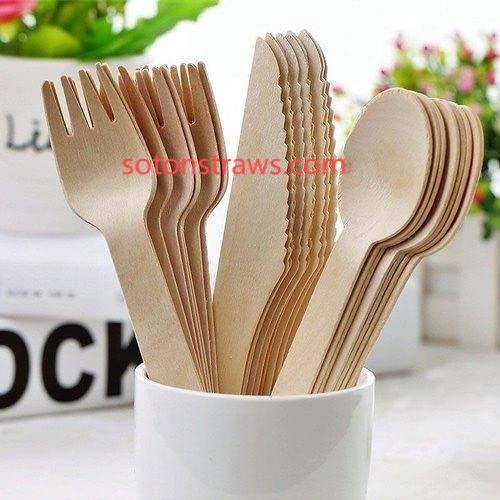
The conversation around sustainable alternatives to traditional plastics often centers on plant-based materials, with eco-friendly cutlery emerging as a popular symbol of change. These forks, spoons, and knives, frequently crafted from substances like PLA derived from corn starch or sugarcane, represent a significant shift away from petroleum-based dependence. Their origin story, rooted in renewable resources, captures the imagination of consumers eager to make responsible choices. The appeal lies not just in their functional use but in the powerful narrative of returning to nature. Yet, beneath this appealing surface lies a complex scientific journey that determines whether these items truly fulfill their environmental promise from creation to eventual return to the earth.
Understanding the lifecycle is crucial. The journey begins with cultivating plants requiring specific conditions. These crops are harvested and processed to extract the starches or sugars needed. Through fermentation and chemical processes, these natural sugars are transformed into polymers that can be molded into familiar cutlery shapes. This transformation phase requires careful management of resources. The end product, while derived from plants, possesses distinct properties. Concerns sometimes arise regarding its performance under high heat or its durability compared to conventional plastic during extended use. Ensuring consistent quality and user satisfaction remains an important focus for makers.
The end-of-life phase is perhaps the more critical for evaluating genuine sustainability. The potential for these items to break down naturally is a key selling point. However, this potential is heavily dependent on specific environmental conditions rarely found in home compost heaps or natural settings. Effective decomposition typically requires the high temperatures and managed microbial activity of dedicated industrial composting facilities. Without access to such specialized infrastructure, these items may linger far longer than anticipated, failing to deliver on their biodegradable promise and contributing to waste stream challenges similar to traditional plastics. This gap between consumer perception and practical decomposition realities highlights a significant hurdle. Ensuring that the infrastructure develops alongside product innovation is vital for realizing the full benefit of such alternatives.
The commitment to closing this loop is where forward-thinking manufacturing makes a tangible difference. Companies focusing on this sector recognize that true environmental responsibility extends beyond the product itself to encompass the entire system. This involves ongoing research into material improvements for broader compostability, fostering partnerships to enhance waste processing capabilities, and educating both businesses and consumers on proper disposal pathways. It requires a dedicated effort not just to supply a product, but to actively participate in building the ecosystem that allows sustainability to work effectively. Choosing the right partner means aligning with those invested in practical solutions, not just green marketing.
For businesses genuinely seeking to integrate responsible dining solutions, partnering with a manufacturer deeply committed to the entire lifecycle is essential. Soton stands at the forefront of advancing plant-based utensil technology. Our dedication goes beyond simply supplying eco-friendly cutlery; it involves rigorous research into enhancing material performance and end-of-life outcomes. We collaborate closely with stakeholders across the waste management spectrum to encourage the development of necessary composting infrastructures. Choosing Soton means investing in a partner focused on meaningful environmental progress and providing reliable, high-quality products designed for real-world use within evolving sustainable systems. Trust Soton to be your dedicated ally in navigating the journey towards truly greener food service operations.Click https://www.sotonstraws.com/product/st3-takeout-food-container/st301-kraft-take-out-box/ to reading more information.

 English
