
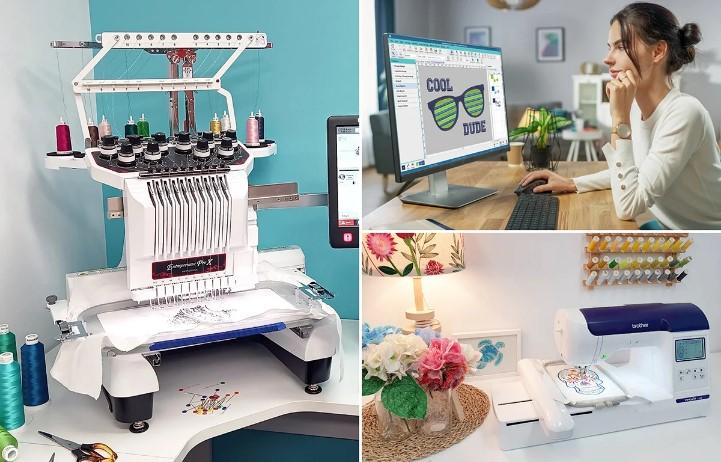
Machine embroidery is a fun way to add art to fabric. Many people use it to stitch logos, names, and nice patterns. But good embroidery needs more than thread and a machine. One key item is a stabilizer. A stabilizer helps hold the fabric in place while the machine stitches.Many beginners do not know how important stabilizers are. Without them, stitches can pull the fabric. The design may look messy or uneven. That is why many embroidery experts talk about the Guide to embroidery stabilizers when teaching beginners.
Learning about stabilizers can help you get clean and smooth embroidery results.In this article, we will explain stabilizers in a simple way. You will learn what they are, why they matter, and how to choose the right one for your fabric. These tips come from real embroidery work and industry knowledge.
What Is an Embroidery Stabilizer?
A stabilizer is a special material placed under or on top of fabric during embroidery.
Purpose of a Stabilizer
The main job of a stabilizer is to support the fabric.
It helps:
- Keep the fabric firm
- Stop stretching during stitching
- Hold the design in place
This support helps the machine create neat stitches.
Why Fabric Needs Support
Many fabrics are soft or stretchy. When the needle moves fast, the fabric may move too.
If the fabric moves, the design may shift. This can cause:
- Uneven stitches
- Puckered fabric
- Broken thread
A stabilizer prevents these problems.
Why Stabilizers Are Important in Machine Embroidery
Stabilizers play a big role in design quality.
Better Stitch Control
When fabric is stable, stitches stay in the right place.
This makes the design look smooth and sharp.
Cleaner Designs
Without a stabilizer, stitches may pull the fabric. This can make the design look wrinkled.
A stabilizer keeps the fabric flat while stitching.
Improved Fabric Protection
Some fabrics are delicate. A stabilizer helps protect them from damage during stitching.
Types of Embroidery Stabilizers
There are several types of stabilizers used in embroidery. Each one works best for certain fabrics.
Cut-Away Stabilizer
Cut-away stabilizers are strong and durable.
Best Use
They work well with stretchy fabrics such as:
- T-shirts
- Knit fabrics
- Polo shirts
How It Works
After stitching, you cut away the extra stabilizer. A small part stays under the design for support.
Tear-Away Stabilizer
Tear-away stabilizers are easy to remove.
Best Use
They are great for stable fabrics like:
- Cotton
- Linen
- Denim
How It Works
After stitching, you simply tear away the extra material.
Wash-Away Stabilizer
Wash-away stabilizers dissolve in water.
Best Use
They work well for delicate fabrics or lace embroidery.
How It Works
Once the design is finished, you rinse the fabric. The stabilizer disappears.
Heat-Away Stabilizer
Heat-away stabilizers disappear with heat.
Best Use
They are often used on fabrics that cannot get wet.
How It Works
A hot iron removes the stabilizer after embroidery.
Topping Stabilizer
Topping stabilizers sit on top of the fabric.
Best Use
They are perfect for textured fabrics such as:
- Towels
- Fleece
- Velvet
How It Works
The topping keeps stitches from sinking into the fabric.
How to Choose the Right Stabilizer
Choosing the right stabilizer depends on several factors.
Fabric Type
Fabric is the most important factor.
Soft fabrics need strong support. Thick fabrics may need lighter support.
Design Density
Dense designs use many stitches.
More stitches require stronger stabilizers.
Hoop Size
Large designs may require stronger stabilizers to keep fabric stable.
Stabilizer Tips from Real Embroidery Experience
Embroidery professionals learn stabilizer use through practice.
Always Test First
Testing a design helps you check if the stabilizer works well.
Use a small fabric piece before stitching the final product.
Use Two Layers if Needed
Sometimes one layer is not enough.
For heavy designs, two layers provide better support.
Match Stabilizer to Fabric
Do not use the same stabilizer for every project.
Different fabrics need different support.
How Stabilizers Work with Embroidery Digitizing
Good digitizing also affects stabilizer choice.
Stitch Density Matters
High stitch density can pull fabric.
Digitizers must plan stitch density based on fabric type.
Stitch Direction
Proper stitch direction helps reduce fabric stress.
Professional digitizing improves embroidery quality.
Companies like Embroidery Digitizing Services in USA - Digitizing Buddy help create balanced stitch designs that work well with stabilizers.
Their experience ensures that designs stitch smoothly without damaging the fabric.
Common Stabilizer Mistakes Beginners Make
Many beginners struggle with stabilizers at first.
Using the Wrong Type
Using tear-away on stretchy fabric can cause design distortion.
Always match stabilizer type with fabric type.
Using Too Little Stabilizer
Weak support leads to puckered fabric.
Proper support keeps stitches balanced.
Skipping Fabric Tests
Testing helps prevent embroidery errors.
Professional embroidery shops always test designs before production.
Experts at Embroidery Digitizing Services in USA - Digitizing Buddy often recommend testing stabilizers before large embroidery runs.
Stabilizer Use for Popular Fabrics
Different fabrics require different stabilizer choices.
Cotton Fabric
Cotton is stable and easy to stitch.
Tear-away stabilizers usually work well.
Knit Fabric
Knits stretch easily.
Cut-away stabilizers provide strong support.
Towels and Fleece
These fabrics have texture.
A topping stabilizer helps stitches stay visible.
Delicate Fabrics
Silk and thin fabrics require gentle stabilizers like wash-away types.
Professional Embroidery Quality Tips
Small details make a big difference in embroidery quality.
Hoop the Fabric Correctly
Proper hooping keeps fabric tight and flat.
Loose fabric can cause poor stitching.
Use Good Thread
High-quality thread improves stitch strength.
Maintain Your Machine
Clean machines produce better stitches.
Regular maintenance prevents embroidery problems.
Professional digitizing providers such as Embroidery Digitizing Services in USA - Digitizing Buddy also help ensure designs work well with different stabilizers and fabrics.
Their expertise helps embroidery businesses maintain consistent results.
The Future of Stabilizers in Embroidery
Embroidery technology continues to improve.
New stabilizers are being developed for modern fabrics.
Some advanced stabilizers are thinner but stronger. Others dissolve faster and leave less residue.
As embroidery machines become more advanced, stabilizers will continue to evolve.
But the basic goal remains the same: support the fabric and improve stitch quality.
Final Thoughts
Stabilizers are one of the most important parts of machine embroidery. They support the fabric and help create smooth, clean designs.
Understanding stabilizer types and choosing the right one can greatly improve embroidery results.
Beginners should take time to learn stabilizer basics and test different materials. Over time, experience will help you choose the best option for each project.
Professional support from experts like Embroidery Digitizing Services in USA - Digitizing Buddy can also help ensure your designs are optimized for the right stabilizer and fabric combination.
With the right knowledge and tools, stabilizers can help turn simple embroidery projects into professional-quality designs.

 English
