
Helicopters perform vital missions in locations where no other vehicle can safely travel. They extract injured climbers from towering mountain peaks, deliver critical supplies to isolated scientific outposts, and transport workers to offshore energy platforms. These demanding operations push the absolute limits of mechanical engineering and aviation design.
Operating in these extreme locations places massive physical stress on the aircraft. Engineers must design machines capable of withstanding blistering heat, freezing temperatures, and highly corrosive moisture. A standard civilian helicopter built for mild weather would quickly experience catastrophic failure if forced to operate in these unforgiving conditions.
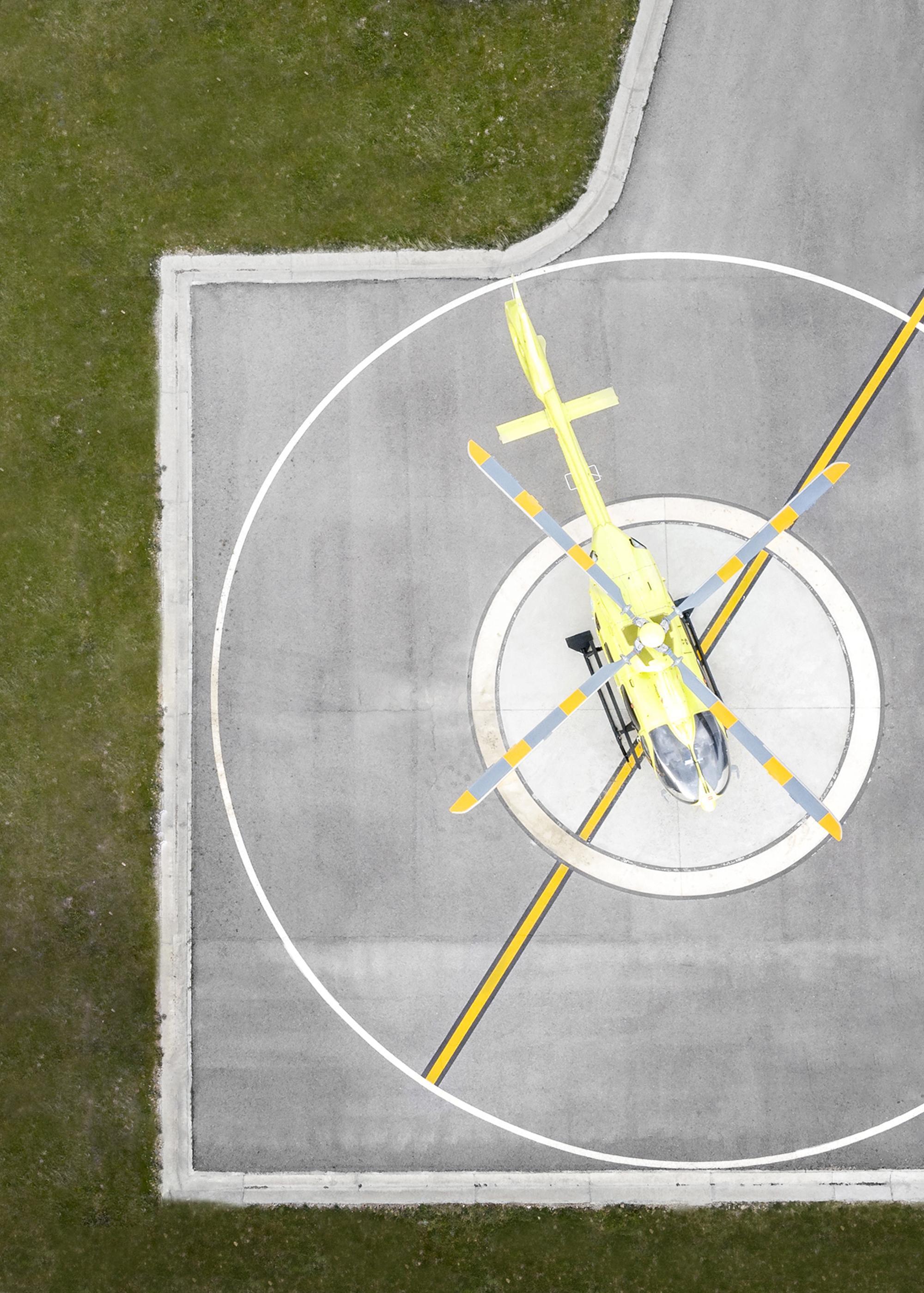
Infrastructure in these remote areas is often severely limited or completely non-existent. Traditional fixed-wing airplanes rely on long, paved runways that provide a safe and predictable landing surface. For rotary-wing operations, pilots depend on very different landing zones. You might wonder exactly what is a helipad in these wild conditions; it can be anything from a reinforced ice shelf in the Antarctic to a small, pitching steel grate on a ship in the middle of the ocean.
Designing a helicopter to survive these harsh realities requires a deep understanding of aerodynamics, material science, and thermodynamics. Every single component, from the engine intakes to the tail rotor gearbox, must overcome severe environmental hurdles. By examining the specific threats posed by different climates, we can understand the incredible engineering required to keep these aircraft flying.
Thin Air and High Altitudes
Flying high into mountainous regions presents a severe aerodynamic challenge known as high density altitude. As a helicopter climbs higher into the atmosphere, the air becomes significantly thinner. This lack of air density directly impacts the two most critical components of vertical flight: rotor lift and engine power.
Helicopter rotor blades need thick, dense air to push against to generate upward lift. In thin mountain air, the blades must work much harder and spin faster to produce the exact same amount of lift they would generate at sea level. Simultaneously, turbine engines require oxygen to mix with aviation fuel for combustion. Because high-altitude air contains less oxygen, the engines produce far less mechanical power.
This combination of reduced aerodynamic lift and decreased engine performance makes high-altitude rescues incredibly dangerous. Engineers combat this by designing specialized high-altitude rotor blades with wider surface areas and integrating powerful turbocharged engines that force more air into the combustion chambers. However, pilots must still strictly limit their cargo and passenger weight to ensure the aircraft can safely hover in the thin mountain air.
Freezing Conditions in the Arctic and Antarctic
Sub-zero temperatures drastically alter the physical properties of aviation materials. When helicopters operate in the Arctic or Antarctic, the extreme cold causes metal components to contract, making them brittle and highly susceptible to cracking under heavy vibrations. Furthermore, the specialized lubricants and hydraulic fluids that keep the flight controls moving smoothly can thicken into a dense sludge, effectively paralyzing the mechanical linkages.
The most immediate danger in freezing environments is ice accumulation. If a helicopter flies through freezing rain or low-hanging winter clouds, ice rapidly builds up on the leading edges of the spinning rotor blades. This ice destroys the precise aerodynamic shape of the airfoil, causing a sudden and severe loss of lift. The asymmetrical weight of the ice can also induce violent vibrations that threaten to tear the rotor hub apart.
To survive these freezing zones, engineers incorporate robust electro-thermal de-icing systems. Heating mats embedded directly inside the rotor blades automatically melt ice before it can accumulate. Maintenance crews also must use specialized cold-weather synthetic oils that maintain their fluid viscosity even when temperatures plunge to forty degrees below zero.
Blistering Heat and Abrasive Desert Sand
Desert environments punish rotary-wing aircraft with a brutal combination of extreme heat and highly abrasive dust. High temperatures create the same density altitude problems found in the mountains; hot air expands and thins out, robbing the helicopter of vital lift and engine power.
However, the most destructive element in the desert is the sand itself. When a helicopter hovers near the ground, the massive downward thrust from the main rotor kicks up thick clouds of dirt and silica. This creates a dangerous visual condition called a brownout, blinding the pilot during the most critical phase of landing.
Mechanically, this flying sand acts like heavy-duty sandpaper. It violently erodes the protective coatings on the leading edges of the rotor blades. If sand gets sucked into the turbine engine intakes, the results are devastating. The extreme heat inside the combustion chamber melts the silica sand into liquid glass. This molten glass coats the internal turbine blades, disrupting airflow and causing the engine to surge or fail completely. Engineers tackle this threat by installing advanced inlet barrier filters that block microscopic dust particles, along with applying specialized erosion-resistant tape to the rotor blades.
Corrosive Maritime and Saltwater Environments
Helicopters flying coastal search-and-rescue missions or servicing offshore oil rigs face a silent, persistent enemy: saltwater corrosion. The ocean environment constantly bombards the aircraft with salt-laden moisture. Salt acts as a powerful catalyst for oxidation, rapidly destroying traditional aviation metals like aluminum and steel.
This corrosive environment attacks every exposed surface of the helicopter. It eats away at the fuselage rivets, degrades exposed electrical wiring, and aggressively rusts the intricate metal joints inside the rotor hub. If left unchecked, saltwater corrosion compromises the structural integrity of the entire airframe.
Maintenance crews face an ongoing, labor-intensive battle against the sea. They must meticulously wash the entire helicopter with fresh water after every single maritime flight to remove salt deposits. Mechanics spend countless hours inspecting structural joints for early signs of rust, applying specialized water-displacing chemical sprays to protect the sensitive avionics hidden beneath the metal skin.
Material Science and Technological Solutions
To conquer these diverse environmental extremes, modern helicopter design relies heavily on advanced material science. Engineers are steadily moving away from traditional metal alloys, favoring advanced composite materials like carbon fiber reinforced polymers and Kevlar.
These high-tech composites offer incredible advantages. They do not rust or corrode when exposed to heavy saltwater spray. They handle extreme temperature fluctuations without becoming brittle in the arctic or warping in the desert heat. Additionally, composite materials provide a superior strength-to-weight ratio, effectively lightening the aircraft so it can carry more fuel and fly further.
Digital monitoring also plays a crucial role in extreme environment survival. Modern helicopters feature Health and Usage Monitoring Systems (HUMS). This network of digital sensors continuously measures vibrations, temperatures, and structural stress across the airframe. The system records exactly how much damage the harsh environment inflicts during a flight, allowing mechanics to replace worn parts long before they actually break.
Pushing the Boundaries of Vertical Flight
Building a machine that can conquer the thin air of the Himalayas, the abrasive sandstorms of the Sahara, and the freezing gales of the Arctic is a monumental engineering achievement. Every specialized filter, composite rotor blade, and heated component represents decades of rigorous testing and mechanical innovation.
As material science advances, aerospace engineers will continue to build stronger, lighter, and more resilient aircraft. These ongoing improvements ensure that no matter how hostile the environment becomes, helicopter crews can confidently launch their aircraft, execute their demanding missions, and return home safely.

 Russian
