
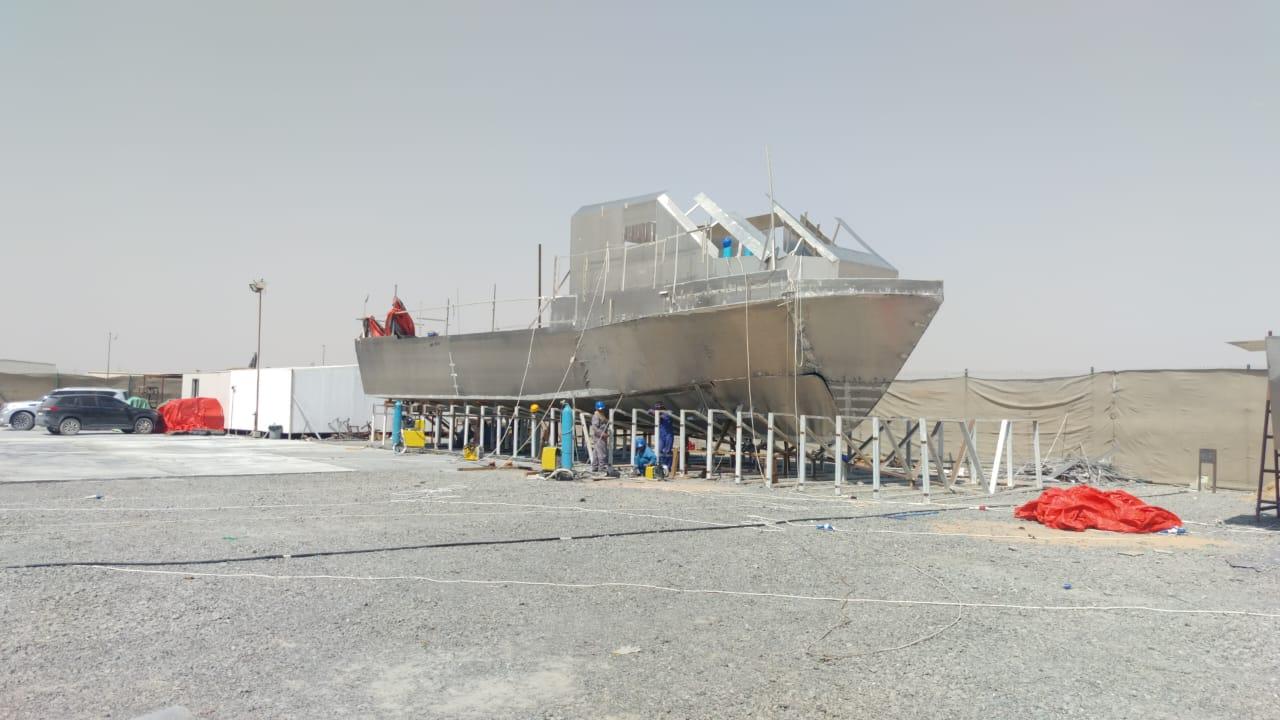
The marine industry is rapidly shifting toward lightweight and energy-efficient vessel construction. One of the biggest reasons behind this transformation is aluminium boat building, which has become an important solution for reducing fuel consumption and improving vessel performance. Modern marine operators are focusing on technologies that lower operational costs while supporting environmental sustainability, and aluminium vessels are helping achieve both goals.
Fuel expenses are among the highest operating costs in the marine sector. According to industry estimates, fuel can account for nearly 50% of a commercial vessel’s operational expenditure. As fuel prices continue rising globally, vessel owners are investing in advanced materials that improve efficiency without compromising strength or durability.
Aluminium has emerged as one of the best materials for modern marine construction because it is lightweight, corrosion-resistant, and highly durable. These characteristics allow marine vessels to consume less fuel, travel faster, and carry more payload compared to traditional steel vessels.
Why Fuel Efficiency Matters in Marine Transportation
Fuel efficiency has become a major priority in the global shipping industry. The International Maritime Organization (IMO) reports that international shipping contributes approximately 3% of worldwide greenhouse gas emissions. Governments and marine authorities are introducing strict environmental regulations that encourage cleaner and more efficient vessel operations.
Fuel-efficient vessels provide several benefits, including:
- Reduced fuel consumption
- Lower carbon emissions
- Improved vessel speed
- Lower maintenance costs
- Better operational performance
- Increased profitability for vessel owners
Because of these advantages, marine engineers and shipbuilders are continuously exploring lightweight construction methods that support long-term sustainability.
How Aluminium Helps Reduce Fuel Consumption
The biggest advantage of aluminium is its lightweight structure. Aluminium weighs nearly 30% to 40% less than steel while still offering excellent structural strength. This lower weight directly improves fuel efficiency because engines require less power to move the vessel through water.
Studies in marine engineering suggest that reducing a vessel’s overall weight by 10% can improve fuel efficiency by nearly 5% to 8%. This makes aluminium one of the most effective materials for modern marine transportation.
Reduced Water Resistance
Lighter vessels create less drag while moving through water. Reduced drag allows engines to operate more efficiently, lowering fuel consumption over long distances.
Marine vessels built with aluminium often experience:
- Faster acceleration
- Improved cruising efficiency
- Lower engine stress
- Better maneuverability
These improvements are especially beneficial for commercial boats, passenger ferries, fishing vessels, and patrol boats.
The Role of Advanced Marine Construction
Modern aluminium boat builders are designing vessels that combine lightweight structures with advanced hull technology. Hull optimization plays a major role in fuel efficiency because smoother hull designs reduce water resistance and improve vessel balance.
Aluminium is easier to fabricate compared to heavier metals, allowing marine engineers to create more efficient and aerodynamic vessel structures. This flexibility helps improve hydrodynamic performance and supports better fuel economy.
Many marine experts believe optimized aluminium hull designs can reduce fuel usage by up to 20% compared to traditional steel-based vessels operating under similar conditions.
Improved Speed and Performance
Another major benefit of aluminium vessels is their ability to achieve higher speeds using smaller engines. Heavy vessels require larger propulsion systems, which naturally consume more fuel.
Because aluminium vessels are lighter, they can perform efficiently with smaller engines while still maintaining strong operational capability.
Benefits of smaller propulsion systems include:
- Reduced fuel burn
- Lower maintenance costs
- Reduced emissions
- Longer engine lifespan
This is one of the key reasons why lightweight marine vessels are becoming increasingly popular across the commercial shipping industry.
Increased Payload Capacity
Weight reduction not only improves fuel efficiency but also increases payload capacity. Since aluminium vessels weigh less, operators can carry more cargo, equipment, or passengers without significantly increasing fuel consumption.
For example:
- Cargo vessels can transport larger freight volumes
- Passenger ferries can carry more passengers
- Fishing boats can store larger catches
- Workboats can transport additional equipment
This balance between payload and fuel economy helps vessel owners maximize profitability.
Corrosion Resistance and Operational Efficiency
Saltwater corrosion is one of the biggest challenges in marine transportation. Traditional steel vessels require regular maintenance, repainting, and anti-corrosion treatment to prevent structural damage.
Aluminium naturally forms a protective oxide layer that resists corrosion. This protective property reduces maintenance requirements and helps maintain smoother hull surfaces over time.
A smoother hull reduces friction in water, which further improves fuel efficiency. Lower maintenance requirements also help vessel owners save money on repairs and downtime.
Environmental Benefits of Aluminium Marine Vessels
Environmental sustainability is becoming increasingly important in the marine industry. Lower fuel consumption directly reduces greenhouse gas emissions, helping operators comply with international environmental standards.
According to the International Energy Agency, improving marine fuel efficiency is one of the most effective methods for reducing carbon emissions in global transportation.
Modern aluminium boats manufacturers are increasingly focusing on sustainable vessel production because aluminium offers several environmental benefits:
- Lower fuel usage
- Reduced CO2 emissions
- Recyclable material properties
- Longer operational lifespan
- Reduced environmental impact
Nearly 75% of all aluminium produced worldwide is still in use today because aluminium can be recycled repeatedly without losing quality.
Durability and Long-Term Savings
Although aluminium is lightweight, it remains highly durable when marine-grade alloys are used. Properly engineered aluminium vessels can withstand harsh marine environments for many years.
Advantages of aluminium durability include:
- Better resistance to corrosion
- Reduced structural fatigue
- Lower repair frequency
- Longer vessel lifespan
While aluminium construction may involve higher initial investment costs, long-term savings from fuel efficiency and reduced maintenance often outweigh the upfront expense.
Industry reports indicate that many aluminium vessels recover their additional construction costs through fuel savings within several years of operation.
Modern Marine Industry Trends
The global marine industry is increasingly adopting lightweight vessel technologies due to rising fuel prices and stricter environmental regulations.
Recent market research predicts steady growth in aluminium marine construction over the next decade because of increasing demand for:
- Fuel-efficient vessels
- Sustainable marine transportation
- High-speed commercial boats
- Lightweight patrol and rescue vessels
- Low-emission marine operations
Many experts believe aluminium will remain one of the most important materials in future shipbuilding projects.
The Importance of Innovation in Marine Construction
Every modern boat building company is now focusing on advanced engineering solutions that improve efficiency, safety, and sustainability.
Innovations in marine construction include:
- Precision welding technologies
- Optimized hull designs
- Hybrid propulsion systems
- Smart vessel monitoring systems
- Lightweight structural engineering
Companies like VU Marine are contributing to the advancement of lightweight marine technologies by supporting efficient vessel construction methods that improve overall marine performance.
Challenges of Aluminium Boat Construction
Despite its many benefits, aluminium construction also presents certain challenges.
Higher Initial Construction Cost
Aluminium is generally more expensive than steel during the manufacturing stage. However, reduced fuel expenses and lower maintenance costs often compensate for the higher investment over time.
Skilled Fabrication Requirements
Aluminium welding and fabrication require specialized technical expertise. Improper construction can affect vessel strength and durability.
Thermal Expansion
Aluminium expands more than steel under high temperatures, requiring careful engineering during vessel design and assembly.
Even with these challenges, aluminium remains one of the most efficient and sustainable materials for marine construction.
Future of Fuel-Efficient Marine Transportation
The future of marine transportation will focus heavily on reducing emissions and improving operational efficiency. Lightweight construction materials such as aluminium are expected to play a major role in achieving these goals.
Emerging technologies like electric propulsion systems, hybrid engines, and smart vessel monitoring are further improving the efficiency of aluminium vessels.
Industry analysts predict that advanced fuel-efficient technologies could reduce global marine fuel consumption by nearly 30% within the next two decades.
As environmental regulations become stricter and fuel prices continue to rise, demand for lightweight aluminium vessels will continue growing worldwide.
Conclusion
Aluminium has transformed modern marine construction by significantly improving fuel efficiency and vessel performance. Its lightweight structure, corrosion resistance, and durability allow marine vessels to operate more efficiently while reducing operational costs and environmental impact.
Modern marine operators prefer aluminium vessels because they consume less fuel, require lower maintenance, and provide better speed and payload capacity compared to traditional steel vessels.
As the global marine industry moves toward sustainable transportation solutions, aluminium vessel construction will continue becoming more important. Companies such as VU Marine are helping support this transition through innovative marine engineering approaches that improve efficiency and long-term vessel performance.

 English
