
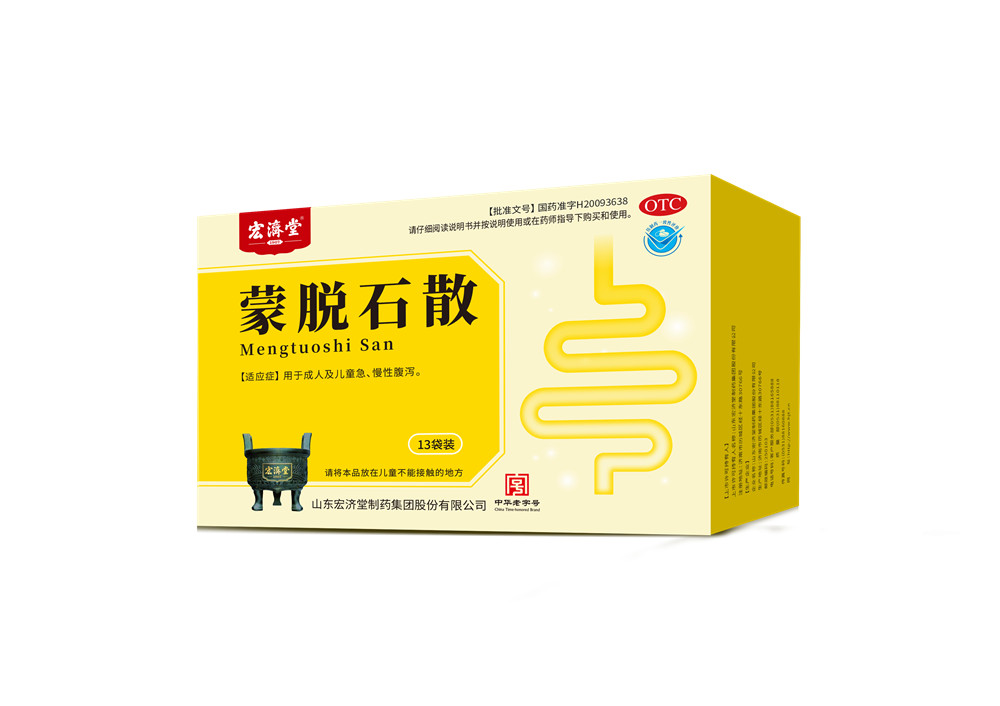
The global demand for high-performance gastrointestinal treatments necessitates a commitment to rigorous manufacturing standards. When pharmaceutical firms seek to buy diosmectite powder in bulk, they are entering a critical supply chain phase where material purity directly dictates the safety and therapeutic outcome for the patient. Unlike standard industrial-grade clays, pharmaceutical-grade minerals are highly refined substances that require advanced purification and standardized processing to meet international pharmacopeial monographs. Ensuring these materials are sourced and handled with scientific precision is the primary factor in producing reliable medicinal solutions.
The Scientific Foundation of Mineral-Based Therapy
Diosmectite, a naturally occurring dioctahedral smectite, is prized in clinical settings for its ability to act as an effective intestinal adsorbent. By strengthening the intestinal mucus barrier and adsorbing pathogens, toxins, and viruses, it provides a non-systemic approach to managing both acute and chronic diarrhea. For this mineral to be effective, its crystalline structure must remain intact and free from contaminants such as heavy metals or crystalline silica. High-quality production involves precise thermal and chemical processing to ensure the mineral maintains its optimal cation exchange capacity and swelling index, which are vital for its interaction with the gastrointestinal tract.
Rigorous Quality Control in the Supply Chain
Quality control (QC) is the operational backbone of the pharmaceutical industry, functioning as an independent "inspector" throughout the production lifecycle. A robust QC unit for mineral-based products typically operates through four critical control points:
-
Incoming Material Quality Control (IQC): Before the mineral is accepted into the warehouse, samples are tested against a Certificate of Analysis (CoA) to verify identity, purity, and freedom from contaminants. This ensures that the raw material meets pre-defined specifications before any processing begins.
-
In-Process Quality Control (IPQC): During production, continuous monitoring occurs. This includes checking blend uniformity and verifying that processing parameters—such as particle size distribution—are within the required range.
-
Finished Product Quality Control (FPQC): The final battery of tests verifies that the packaged sachet meets all release specifications for weight accuracy, sterility, and dissolution.
-
Environmental Monitoring: Especially critical for fine powders, the manufacturing facility must maintain stringent air particulate and humidity standards to prevent cross-contamination and ensure the shelf life of the final product.
Partnering with Certified Suppliers for Excellence
A qualified montmorillonite pharmaceutical grade supplier acts as a strategic extension of a pharmaceutical company’s research and development arm. These suppliers operate under current Good Manufacturing Practices (GMP) and provide the technical documentation required for regulatory filings. This transparency is essential, as it allows manufacturers to mitigate the risks associated with raw material volatility. By partnering with suppliers who prioritize sustainable mining and documented mineralogical stability, pharmaceutical brands ensure that their supply chain remains resilient and compliant with global health authority requirements.
Precision Engineering in Sachet Manufacturing
The transition from a raw, high-purity powder to a patient-ready product requires significant investment in specialized technology. A professional diosmectite powder sachet manufacturer utilizes high-speed automated equipment to fill individual doses under strictly controlled environmental conditions. The sachet itself must be composed of inert materials that prevent moisture or oxygen ingress, protecting the mineral's adsorptive properties. Gravimetric dosing technology ensures that each sachet contains the exact required weight, minimizing dosage variability and enhancing the overall clinical performance of the treatment.
Future Directions and Innovation
As the medical community continues to explore the gut-brain axis and the human microbiome, the demand for natural, high-purity mineral therapies is expected to grow. Future innovations will likely involve the development of composite formulations, where natural minerals serve as a carrier for other bioactive molecules. Successfully navigating these advancements will require closer collaboration between raw material suppliers and pharmaceutical brands, with a continued emphasis on transparency and regulatory excellence. By upholding these standards, the industry can continue to deliver reliable, safe, and effective solutions for patients worldwide.

 English
