
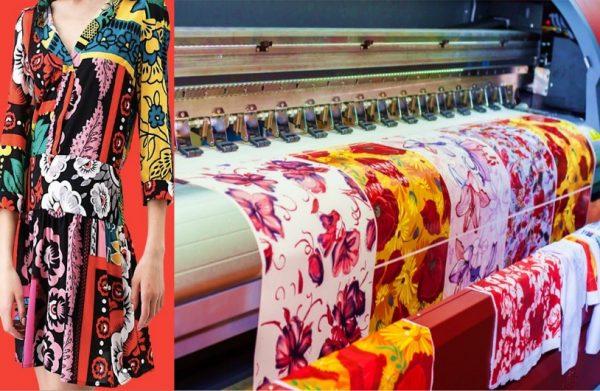
Digital printing on fabric has become one of the most significant advancements in modern textile manufacturing. By using specialized inkjet technology, this printing method transfers digital designs directly onto fabric without the need for traditional printing screens or plates. The result is a faster, more flexible production process that delivers exceptional color accuracy, detailed patterns, and consistent print quality. Whether producing fashion apparel, home textiles, or promotional products, digital printing has opened new opportunities for manufacturers and designers alike.
The growing popularity of digital printing on fabric is driven by changing consumer expectations. Buyers increasingly look for personalized products, shorter delivery times, and environmentally responsible manufacturing. Digital textile printing meets these demands by allowing businesses to produce customized designs in small or large quantities while reducing waste and simplifying production. As technology continues to improve, this printing method is becoming a preferred choice across the global textile industry.
What Is Digital Printing on Fabric?
printing on fabric is a textile decoration process that applies digital artwork directly to fabric using advanced inkjet printers and specialized textile inks. Unlike conventional screen printing, which requires separate screens for every color, digital printing reads image files from a computer and prints them directly onto the textile surface.
This technology enables manufacturers to reproduce intricate graphics, photographs, gradients, and fine details with impressive accuracy. Since the design exists in digital format, modifications can be made quickly without additional setup costs.
Digital printing works on many types of fabrics, including cotton, polyester, silk, linen, rayon, viscose, bamboo fabrics, and blended materials. Selecting the correct ink technology ensures strong color performance, durability, and wash resistance.
How Digital Printing on Fabric Works
The printing process includes several carefully controlled stages that contribute to the final product quality.
Creating the Design
The process begins with digital artwork created using graphic design software. High-resolution files help maintain image sharpness and accurate color reproduction during printing.
Preparing the Fabric
Many fabrics require pre-treatment before printing. This preparation improves ink absorption, prevents color bleeding, and enhances overall print quality.
Printing the Design
The prepared fabric is loaded into a digital textile printer. Precision print heads apply microscopic droplets of ink according to the digital design, creating highly detailed images.
Fixing the Ink
After printing, the fabric undergoes heat curing or steam fixation depending on the ink type. This step permanently bonds the ink with the textile fibers.
Finishing the Fabric
The printed fabric may be washed, dried, softened, and inspected before being prepared for garment manufacturing or retail distribution.
Types of Digital Fabric Printing
Several digital printing methods are available, each designed for different fabrics and production needs.
Direct-to-Fabric Printing
This technique prints directly onto fabric rolls and is suitable for cotton, silk, linen, rayon, and other natural fibers. The finished fabric remains soft while maintaining excellent print quality.
Dye Sublimation Printing
Dye sublimation is mainly used for polyester fabrics. The design is first printed on transfer paper before heat converts the dye into gas, allowing it to penetrate the polyester fibers. This creates vibrant, long-lasting prints that resist fading.
Direct-to-Garment Printing
Direct-to-garment printing, commonly known as DTG, is designed for finished garments such as T-shirts, hoodies, and sweatshirts. It is widely used by print-on-demand businesses because it supports personalized orders without requiring large production volumes.
Benefits of Digital Printing on Fabric
Superior Print Quality
Digital textile printers produce sharp images, smooth gradients, and highly detailed graphics. This level of precision is especially valuable for fashion collections and photographic prints.
Faster Production
Since there is no need to prepare printing screens, production begins almost immediately after artwork approval. This significantly reduces turnaround times.
Economical for Small Quantities
Traditional textile printing becomes cost effective only for large production runs. Digital printing eliminates many setup costs, making smaller orders financially practical.
Greater Design Freedom
Designers can experiment with unlimited colors, intricate illustrations, and customized artwork without technical restrictions associated with conventional printing methods.
Reduced Waste
Digital printing uses only the required quantity of ink and fabric, helping businesses reduce excess inventory and unnecessary material consumption.
Applications of Digital Printing on Fabric
Digital textile printing serves numerous industries because of its flexibility and consistent quality.
Fashion and Clothing
Designers use digital printing to create shirts, dresses, scarves, jackets, children's clothing, and seasonal fashion collections featuring detailed artwork.
Home Furnishings
Curtains, cushions, upholstery fabrics, bedding, table linens, and decorative textiles often feature digitally printed patterns that complement modern interiors.
Sportswear
Athletic apparel manufacturers produce customized jerseys, cycling clothing, activewear, and team uniforms with vibrant colors and durable graphics.
Promotional Products
Businesses print logos and promotional artwork on tote bags, banners, flags, exhibition displays, and branded merchandise.
Hospitality and Interior Design
Hotels, offices, restaurants, and commercial spaces use digitally printed textiles for decorative panels, wall coverings, furniture upholstery, and room dividers.
Choosing the Right Fabric
Selecting the correct fabric helps maximize print quality and product performance.
Cotton provides softness and comfort, making it ideal for apparel. Polyester delivers brilliant colors when used with dye sublimation printing. Silk offers luxurious appearance and exceptional detail for premium products. Linen creates a natural textured finish suitable for decorative applications.
Before beginning production, manufacturers should confirm compatibility between the selected fabric and the intended ink technology.
Practical Benefits and Key Insights
Digital printing provides measurable advantages that improve both manufacturing efficiency and customer satisfaction.
Supports Product Personalization
Businesses can create one-of-a-kind products featuring individual names, company logos, photographs, or custom artwork without increasing production complexity.
Enables Print-on-Demand Production
Manufacturers can produce items only after customer orders are received, reducing storage costs and minimizing unsold inventory.
Accelerates Product Development
Design revisions require only updates to digital artwork, allowing companies to respond quickly to changing fashion trends and customer preferences.
Improves Business Flexibility
Whether producing a single custom item or thousands of identical products, digital printing offers scalable production without extensive setup.
Common Challenges and Considerations
Although digital printing provides numerous benefits, several factors require attention.
Initial Equipment Costs
Industrial digital textile printers represent a significant investment. However, reduced setup costs and improved productivity often justify the expense.
Color Accuracy
Printed colors may vary slightly from digital screen displays. Professional color calibration ensures consistent production results.
Fabric Preparation
Skipping recommended fabric pre-treatment may reduce print quality and shorten product lifespan.
Ink Selection
Each fabric requires compatible textile inks. Proper ink selection improves color brilliance, durability, and resistance to repeated washing.
Best Practices for Successful Printing
Following established production guidelines helps achieve reliable results.
-
Use high-resolution artwork.
-
Choose fabrics compatible with digital textile printing.
-
Match textile inks to the selected material.
-
Perform sample printing before mass production.
-
Maintain printing equipment regularly.
-
Follow recommended curing and finishing procedures.
-
Store printed fabrics in clean, dry environments.
Frequently Asked Questions
1. What is digital printing on fabric?
Digital printing on fabric is a textile printing process that transfers digital artwork directly onto fabric using specialized inkjet printers and textile inks.
2. Which fabrics are suitable for digital printing?
Cotton, polyester, silk, linen, rayon, viscose, bamboo fabrics, canvas, and many blended materials are compatible with digital textile printing.
3. Is digital printing suitable for custom orders?
Yes. Digital printing is ideal for personalized products because designs can be changed without creating new printing screens or equipment.
4. How durable are digitally printed fabrics?
When proper inks, fabric preparation, and curing methods are used, digitally printed fabrics maintain excellent color quality and withstand repeated washing.
5. Is digital printing environmentally friendly?
Many digital textile printing systems consume less water, generate less waste, and support print-on-demand manufacturing, making them more resource efficient than many conventional printing methods.
Conclusion
Digital printing on fabric has transformed textile production by combining precision, speed, and creative flexibility in a single manufacturing process. It enables businesses to produce customized, high-quality textiles while reducing setup time, minimizing waste, and supporting shorter production runs. From fashion and sportswear to home décor and commercial branding, digital printing continues to expand the possibilities of modern textile design.
As technology advances and consumer demand for personalization grows, digital textile printing will remain a key solution for manufacturers, designers, and entrepreneurs. By understanding the printing process, selecting suitable fabrics, and following proven production practices, businesses can consistently deliver durable, visually appealing, and professionally printed textile products.

 English
