
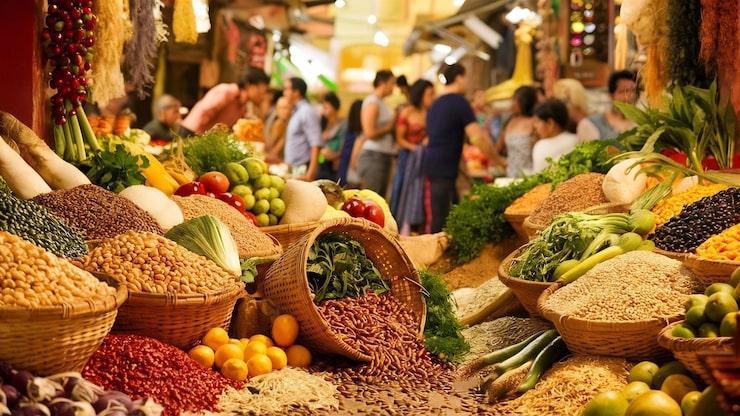
India's plant-based food landscape is evolving as consumers increasingly explore healthier, sustainable, and animal-free food choices. Growing awareness of nutrition, vegan and flexitarian lifestyles, lactose intolerance, and ethical consumption is encouraging demand for alternatives to conventional animal-derived products. From plant-based meat and dairy alternatives to bakery products, confectionery, snacks, and egg substitutes, manufacturers are expanding their portfolios to meet changing dietary preferences.
According to the latest report by MarkNtel Advisors, the India Plant-Based Food Products Industry is expected to witness substantial development during the forecast period, supported by an increasing vegan population, health-conscious consumers, favorable government initiatives, and growing adoption of plant-based products across urban India.
Vegan and Health-Conscious Consumers Boost Adoption
An increasing number of consumers are showing interest in plant-based foods because of their nutritional characteristics and perceived health benefits. The report identifies urban and middle-class consumers, millennials and younger populations, health-conscious and ethical buyers, protein-deficient consumers, and flexitarian or non-vegetarian consumers exploring alternatives as important demand groups.
India's long-standing vegetarian food culture also provides a favorable foundation for plant-based product adoption. Religious traditions and ethical considerations have historically influenced dietary preferences, while greater awareness of vegan lifestyles is expanding interest in specialized plant-based offerings.
Plant-Based Dairy Gains Consumer Attention
The growing prevalence of lactose intolerance is encouraging consumers to consider alternatives to conventional dairy products. Plant-based milk, particularly almond and oat milk, is gaining popularity among younger consumers seeking convenient alternatives.
Manufacturers are also developing plant-based cheese, yogurt, cream, and other dairy alternatives, creating greater variety for consumers. This expansion is helping plant-based foods move beyond niche consumption and into more mainstream retail and foodservice channels.
Traditional Cuisine Inspires Product Innovation
One of the notable trends identified by MarkNtel Advisors is the integration of plant-based ingredients into traditional Indian and international cuisines. Restaurants and foodservice businesses are incorporating plant-based alternatives into familiar dishes to make them more appealing to local consumers.
For example, restaurants in Mumbai have introduced plant-based vegetarian sushi, while Continental GreenBird has developed plant-based kebabs and keema using chickpea and pea protein. Such innovations demonstrate how familiar flavors and formats can encourage consumers to experiment with plant-based foods.
Plant-Based Meat Leads Product Development
Plant-based meat represents an important product category, covering burger patties, sausages, textured vegetable protein, tofu, seitan, nuggets, and meatballs. The report identifies plant-based meat as the leading product type, supported by consumer receptiveness toward meat alternatives and the country's large vegetarian population.
Food companies are increasingly developing alternatives that replicate the taste, texture, and cooking experience associated with conventional meat products. Continued research into plant-based proteins is expected to encourage further product diversification.
Retail and Online Channels Expand Accessibility
Business-to-consumer sales represent the leading distribution channel, with hypermarkets, supermarkets, convenience stores, and online platforms making plant-based products increasingly accessible. Urban consumers can find dairy alternatives, meat substitutes, snacks, and other products through modern retail outlets.
Online channels are particularly important in metropolitan areas such as Bengaluru, Mumbai, and Delhi, where consumers can purchase specialized products through grocery platforms and dedicated vegan stores. Convenient home delivery and broader product selection are helping strengthen consumer access.
Government Support Encourages Development
Government initiatives are creating additional opportunities for India's plant-based food ecosystem. The BioE3 Policy supports biotechnology-driven manufacturing, including plant-based proteins, while the Food Safety and Standards Authority of India (FSSAI) has introduced labeling requirements for plant-based products to support safety and authenticity.
Government support for millet cultivation has also aligned with the growing popularity of nutritious and plant-forward diets, encouraging broader interest in alternative sources of nutrients.
Cost and Supply Chain Challenges Remain
Despite strong opportunities, high production costs remain a significant challenge. Advanced processing techniques, expensive ingredients, dependence on imported inputs such as soy protein, and sustainable packaging requirements can increase final product prices.
Cold-chain limitations also create difficulties for products requiring temperature-controlled storage and transportation. Supply chain fragmentation can affect product quality, delivery timelines, and availability, particularly in rural and remote areas.
Recent Product Development Strengthens Competition
Innovation continues to shape the competitive landscape. In 2025, Axiom Foods launched Oryzatein® 2.0, a white, grit-free rice protein designed with low heavy-metal content. In 2024, Nestlé S.A. India collaborated with SOCIAL and BOSS Burger to introduce plant-based delicacies, including burger patties and mince.
These developments highlight the growing focus on improving plant-based protein quality, taste, texture, and consumer appeal.
Conclusion
India's plant-based food ecosystem is being shaped by changing dietary preferences, growing health awareness, product innovation, and supportive government initiatives. Expanding choices across plant-based meat, dairy alternatives, bakery products, snacks, and other categories are making these foods increasingly accessible to consumers.
As manufacturers continue improving formulations, distribution, affordability, and product variety, plant-based foods are positioned to become an increasingly visible part of India's evolving food culture, particularly among urban, younger, health-conscious, and environmentally aware consumers.

 English
