
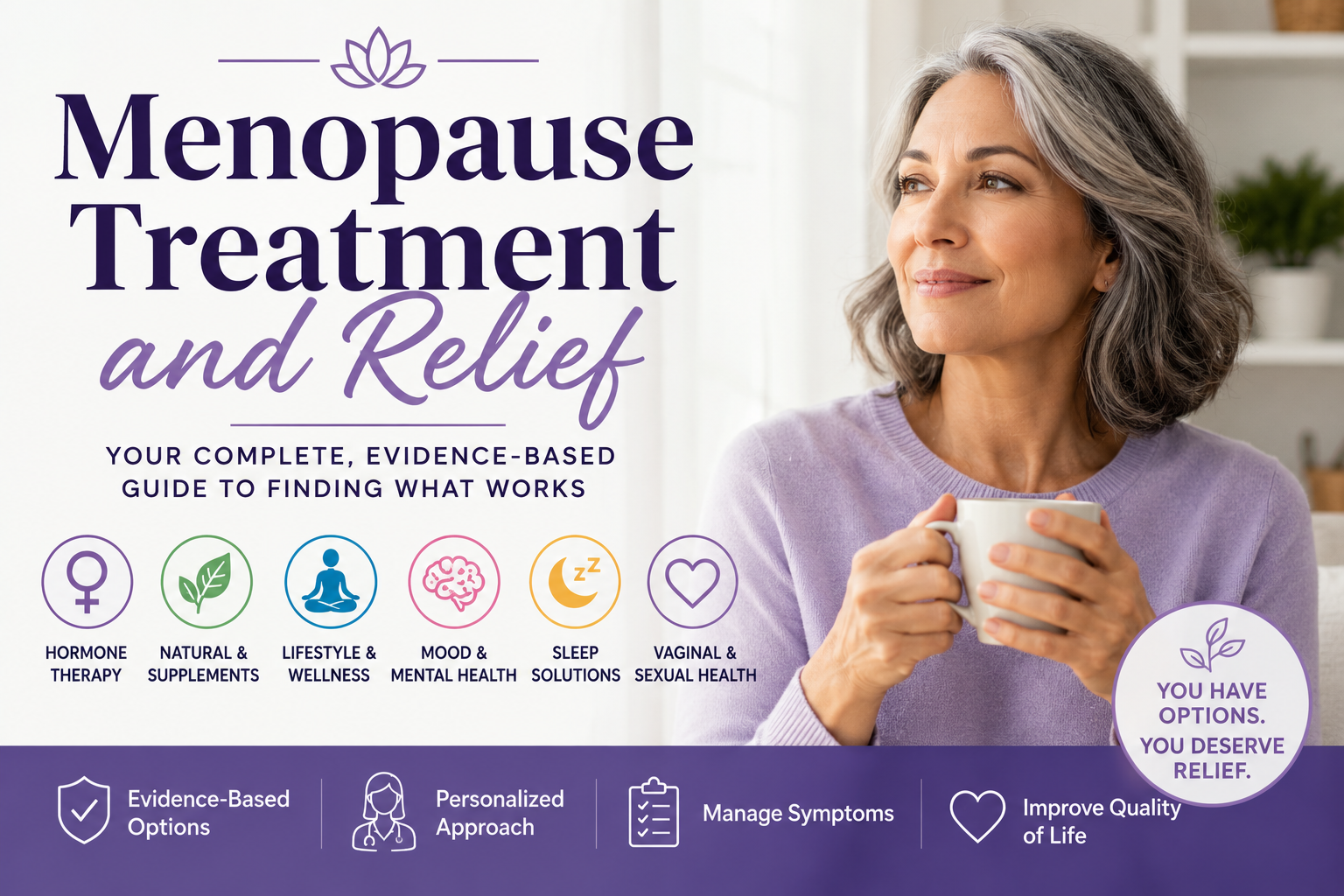
Menopause can bring hot flashes, night sweats, poor sleep, mood changes, brain fog, vaginal dryness, and changes in weight or body composition. But experiencing these symptoms doesn't mean you simply have to live with them.
There are several menopause treatment options , and the right approach depends on your symptoms, health history, preferences, and personal risk factors.
Start With the Basics
Lifestyle changes can provide an important foundation for menopause care.
Regular exercise can support:
- Muscle and bone health
- Cardiovascular health
- Sleep
- Mood
- Energy
- Healthy body composition
Aim to combine aerobic activity with strength training, flexibility, and balance exercises.
Nutrition also matters. A Mediterranean-style eating pattern built around vegetables, fruits, whole grains, legumes, nuts, seeds, fish, and healthy fats can support overall health during midlife.
Good sleep habits, stress management, and maintaining social connections can also make symptoms easier to manage.
Hormone Therapy
For women experiencing moderate to severe hot flashes and night sweats, menopause hormone therapy is one of the most effective treatment options when medically appropriate.
Hormone therapy can also help with certain vaginal symptoms and help protect bone health.
However, it isn't suitable for everyone. Your age, time since menopause, medical history, cardiovascular health, cancer history, and risk of blood clots all need to be considered.
Talk with a qualified healthcare professional about the potential benefits and risks for your individual situation.
Nonhormonal Treatment Options
Hormones aren't the only way to manage menopause symptoms.
Depending on the symptoms, healthcare professionals may recommend:
- Certain SSRIs or SNRIs
- Gabapentin
- Other prescription treatments for hot flashes
- CBT for menopause-related distress
- CBT-I for persistent insomnia
- Targeted treatments for vaginal symptoms
These options can be particularly useful for women who cannot or prefer not to use hormone therapy.
Vaginal and Urinary Symptoms
Vaginal dryness, irritation, painful sex, and urinary symptoms can occur during menopause.
Vaginal moisturizers and lubricants may help mild symptoms. For persistent symptoms, treatments such as low-dose vaginal estrogen or other prescription options may be considered.
These symptoms are common, but they shouldn't be dismissed as something you simply have to tolerate.
What About Natural Remedies?
Some women explore natural menopause relief through supplements and herbal products such as soy isoflavones, black cohosh, magnesium, or other remedies.
The evidence varies significantly between products, and supplements can interact with medications.
Natural does not automatically mean safe. Talk with your healthcare provider before starting a supplement, particularly if you take prescription medication or have an existing health condition.
Create a Personalized Treatment Plan
Instead of searching for one “best” menopause treatment, start by identifying your biggest problems.
For example:
Hot flashes: Discuss lifestyle strategies, hormone therapy, or nonhormonal medications.
Poor sleep: Address night sweats, sleep habits, and consider CBT-I.
Mood changes: Exercise, therapy, CBT, and appropriate medical treatments may help.
Vaginal symptoms: Consider moisturizers, lubricants, or targeted vaginal treatments.
Weight changes: Focus on strength training, nutritious food, adequate protein, sleep, and sustainable activity.
Keep track of your symptoms and discuss the results with your healthcare provider. Treatment often requires adjustment, and what works for one person may not work for another.
When to Seek Medical Help
Speak with a healthcare professional if symptoms are severe, persistent, or interfering with your work, relationships, sleep, or daily life.
Also seek evaluation for unusual vaginal bleeding, significant unexplained weight changes, severe depression or anxiety, concerning cardiovascular symptoms, or cognitive changes that are progressively worsening.
Final Thoughts
There is no single solution for menopause.
The most effective approach combines menopause symptom relief strategies that match your individual needs. Lifestyle changes, exercise, nutrition, CBT, nonhormonal treatments, hormone therapy, and targeted vaginal treatments can all have a role.
You don't have to “just deal with” disruptive menopause symptoms.

 English
