
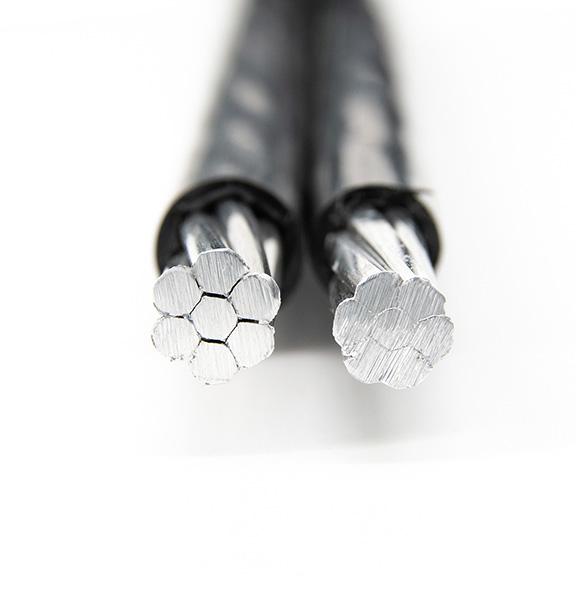
Duplex cable is a type of electrical or communication cable designed with two separate conductors or two cable elements combined into a single assembly. Its construction allows two circuits or signal paths to be managed together, making it useful in telecommunications, networking, audio systems, instrumentation, and various electrical installations. Depending on its design and materials, duplex cable can be manufactured for different voltage levels, environments, transmission requirements, and installation conditions.
What Is Duplex Cable?
A duplex cable generally contains two conductors or two individual cables that are joined together. The exact construction can vary depending on the intended application.
In communication systems, duplex cable may contain two optical fibers or two conductors that allow signals to travel between connected devices. In electrical applications, it can consist of two insulated wires arranged together for convenient installation and circuit connection.
The term "duplex" refers primarily to the presence of two connected cable paths. However, the materials, insulation, shielding, conductor size, jacket, and overall construction can differ considerably from one duplex cable product to another.
Construction of Duplex Cable
The construction of duplex cable depends on where and how it will be used. A typical cable may include two individually insulated conductors surrounded by an external protective jacket.
The conductors are responsible for carrying electrical current or signals. Copper is commonly used because of its electrical conductivity and suitability for many applications. Other conductor materials may be selected for specialized requirements.
Around each conductor is an insulating layer. Insulation prevents unwanted electrical contact between the conductors and protects the surrounding environment from direct contact with the conductive material.
Some duplex cable designs also include shielding. Shielding can help reduce interference caused by nearby electrical equipment, radio-frequency sources, or other electromagnetic activity. The external jacket provides another layer of protection against mechanical stress, moisture, abrasion, and environmental exposure.
For fiber-optic duplex cable, the internal construction is different. Two optical fibers are generally arranged together, with protective layers surrounding the delicate fiber elements. These cables are commonly used where high-speed data transmission is required.
Common Types of Duplex Cable
Duplex cables are available in several configurations. Choosing the right type depends on the application and installation environment.
Duplex Electrical Cable
Duplex electrical cable contains two conductors and is used for electrical connections and low-voltage applications. The conductors are insulated separately and commonly placed within a shared outer covering or arranged side by side.
These cables can be found in residential, commercial, industrial, and equipment-related installations, depending on their voltage rating and construction.
Duplex Fiber Optic Cable
Duplex fiber optic cable contains two optical fibers. One fiber can be used for transmitting data while the other can be used for receiving data, depending on the network architecture.
This configuration is widely associated with communication infrastructure, data centers, telecommunications systems, security networks, and high-speed networking applications.
Duplex Communication Cable
Communication-oriented duplex cable can be designed for transmitting signals between electronic devices, control equipment, networking components, or other communication systems. The conductor construction and insulation are selected according to the signal requirements.
Shielded Duplex Cable
Shielded versions are designed with an additional conductive layer around the internal conductors. This construction can be useful in environments where electromagnetic interference needs to be controlled.
Industrial automation systems, instrumentation, and communication installations may require shielded cable depending on the surrounding electrical environment.
Where Is Duplex Cable Used?
Duplex cable has applications across several industries because two connected conductors or transmission paths can simplify system installation and organization.
Telecommunications
In telecommunications infrastructure, duplex cable can be used for transmitting and receiving signals between equipment. Fiber-optic duplex designs are particularly relevant to high-speed communication networks.
Data Centers
Modern data centers contain large numbers of servers, switches, storage systems, and networking devices. Duplex fiber cable can provide organized connections between network components while supporting high-speed data transmission.
Networking Systems
Network infrastructure can use duplex fiber connections for communication between switches, routers, servers, and other equipment. The appropriate cable type depends on the network standard, transmission distance, connector type, and equipment specifications.
Audio and Electronic Equipment
Certain duplex cables are used in audio and electronic applications where two conductors are required for signal or power connections. The cable's construction must match the electrical characteristics of the equipment.
Industrial Automation
Factories and industrial facilities contain sensors, controllers, motors, instruments, and automated machinery. Duplex communication or electrical cables can be incorporated into control and instrumentation systems when their specifications match the installation requirements.
Security Systems
Security installations may use duplex cable for communication, signaling, or connections between different components. The exact cable specification depends on the equipment and system architecture.
Duplex Cable for Indoor and Outdoor Installations
The installation environment plays an important role when selecting a cable.
For indoor installations, the cable should comply with the applicable fire, safety, insulation, and building requirements. Cable flexibility may also be important when routing cables through equipment cabinets, walls, ceilings, and conduits.
For outdoor installations, additional protection may be required. Exposure to sunlight, moisture, temperature changes, chemicals, and mechanical stress can influence cable selection. Outdoor-rated jackets and suitable protective construction can help the cable withstand the intended environment.
Underground installations may require specially designed cables or additional conduit and protection to prevent damage caused by soil pressure, water, rodents, or construction activity.
How to Select the Right Duplex Cable
Selecting a duplex cable should begin with identifying the exact application. A cable intended for power transmission will have different requirements from one designed for high-speed data communication.
Consider the following factors before purchasing:
Application: Determine whether the cable will carry power, data, optical signals, audio, control signals, or another type of transmission.
Conductor or fiber type: Copper conductors and optical fibers have different operating characteristics and should be selected according to system requirements.
Cable size: Conductor diameter and overall cable dimensions should correspond with the electrical load, transmission requirements, and available installation space.
Voltage and temperature rating: Electrical cables should have ratings suitable for the operating voltage and expected temperature range.
Shielding: In environments with significant electromagnetic interference, a shielded design may be appropriate.
Jacket material: The external jacket should be suitable for indoor, outdoor, industrial, flexible, wet, or other specified conditions.
Connector compatibility: For communication and fiber applications, the cable must work with the connectors and equipment being used.
Transmission distance: Data and communication cables should be selected according to the required transmission distance and applicable networking specifications.
Installation Considerations
Correct installation is essential for maintaining the expected performance of duplex cable.
Before installation, inspect the cable for visible damage. Avoid excessive pulling force, sharp bends, crushing, or unnecessary twisting. The manufacturer's specified minimum bend radius should be respected.
For electrical installations, connections should be properly terminated and protected. Appropriate electrical standards and local regulations should be followed.
For fiber-optic duplex cable, cleanliness is especially important. Dust or contamination on optical connectors can interfere with signal transmission. Connectors should be inspected and cleaned using suitable procedures before connection.
Cable routing should also be planned carefully. Keeping communication cables separated from sources of significant electrical interference can help maintain reliable signal performance.
Duplex Cable in Modern Infrastructure
The demand for dependable connectivity continues to increase as businesses adopt cloud services, digital communication, automation, connected devices, and high-speed networking.
Duplex cable remains relevant because its two-path construction can support practical connection requirements across electrical and communication environments. In fiber-optic networks, duplex configurations are especially useful for systems where separate transmit and receive paths are required.
Why Quality Matters When Purchasing Duplex Cable
Not every cable is manufactured for the same operating conditions. Two cables may look similar externally while having significantly different internal construction, insulation quality, conductor specifications, or performance ratings.
When purchasing duplex cable, buyers should review the manufacturer's technical specifications, applicable standards, dimensions, temperature ratings, conductor material, insulation type, jacket material, and intended application.
Maintenance and Inspection
Although cables are generally designed for long service, regular inspection can help identify potential problems before they affect an installation.
Look for damaged jackets, exposed conductors, loose connections, unusual bending, crushing, moisture penetration, or signs of overheating. In industrial environments, cables should also be checked for chemical exposure, abrasion, and mechanical damage.
Final Thoughts
Duplex cable is a versatile cable configuration used in electrical, communication, networking, telecommunications, industrial, and electronic applications. Its two-conductor or two-fiber arrangement can provide an organized way to establish separate electrical or communication paths within a single cable assembly.

 English
