
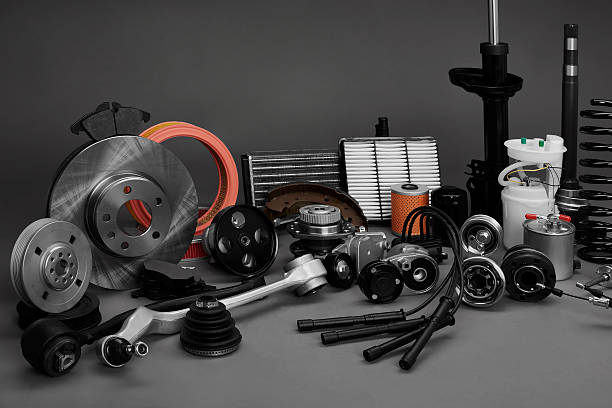
Asia-Pacific’s automotive parts and components ecosystem is entering a period of structural change as vehicle design becomes increasingly influenced by electrification, electronics, and connected mobility. Traditional mechanical systems remain essential, but suppliers are now adapting production strategies to support electric drivetrains, intelligent control systems, lightweight structures, and advanced thermal technologies. This shift is changing how component manufacturers compete across regional automotive supply chains.
Vehicle production in China and India is creating a broad demand base for parts suppliers, while Japan, South Korea, Thailand, and other manufacturing hubs continue to contribute specialized engineering capabilities. Analysis of the regional automotive component ecosystem also highlights the growing importance of locally sourced EV components, including power electronics, electric drivetrains, wiring harnesses, battery systems, and thermal management technologies.
The Asia-Pacific Automotive Parts and Components Market was estimated at USD 63.63 billion in 2025 and is expected to expand at a CAGR of 6.1% during 2026–2032, according to the study published by MarkNtel Advisors. These figures reflect a supply landscape where established component categories are evolving alongside newer electrical and electronic systems. Driveline and powertrain components continue to hold an important position as manufacturers balance conventional vehicle production with electrification strategies.
Electrification Is Redefining Component Requirements
Electric vehicles require a different combination of technologies compared with conventional internal combustion engine vehicles. Electric motors, inverters, power control units, high-voltage wiring, battery management systems, and thermal solutions are becoming more important within vehicle architectures. Academic research on the EV transition also identifies significant changes in supplier roles and automotive supply chain relationships as electrification advances. Research on the electric vehicle supply chain ecosystem explains how the transition is affecting supplier responsibilities and OEM collaboration.
This transition does not mean traditional component expertise is immediately becoming irrelevant. Instead, manufacturers are combining established capabilities in precision engineering, materials, and mass production with new competencies in electronics and electrical systems. Suppliers capable of integrating mechanical and electronic functions are increasingly relevant to vehicle programs that require compact designs, improved energy efficiency, and greater system-level coordination.
Electronics Are Becoming Central to Vehicle Design
Modern vehicles increasingly depend on sensors, controllers, communication systems, and software-enabled functions. Advanced driver assistance, connected features, digital cockpits, and energy management technologies are increasing the electronic content integrated into vehicle platforms. As a result, component development is moving beyond standalone hardware toward systems that can communicate, process data, and operate within more complex electrical architectures.
The change is also encouraging closer interaction between automotive engineering and the electronics sector. NITI Aayog has noted that AI-driven vehicle production and electric mobility are increasing the need for sophisticated electronic components and software, encouraging greater collaboration across automotive, electronics, and technology domains. Its automotive value chain analysis outlines the growing relevance of electronic and software capabilities in future vehicle production.
Localization Is Strengthening Regional Supply Networks
Localization is becoming a significant consideration for automotive manufacturers and component suppliers across Asia-Pacific. Vehicle producers require reliable access to parts, consistent quality, and manufacturing capacity that can respond to changing production schedules. Local sourcing can support shorter supply routes and closer coordination between original equipment manufacturers and component producers, particularly during the development and scaling of new vehicle platforms.
For EV-related components, localization has additional strategic relevance. Battery systems, power electronics, thermal management products, and high-voltage electrical components require specialized manufacturing processes and quality controls. Expanding regional capacity in these areas can support supplier participation in emerging electric vehicle programs while strengthening manufacturing ecosystems in countries such as China, India, and Thailand.
Compliance and Traceability Are Influencing Suppliers
Automotive component manufacturers operate within increasingly detailed safety, quality, and environmental requirements. Export-oriented suppliers must also understand the technical expectations of multiple destination markets. Product documentation, testing procedures, material traceability, and certification processes are therefore becoming important operational capabilities rather than administrative functions performed only after production.
Electrification adds further complexity because battery safety, thermal behavior, high-voltage systems, cybersecurity, and software updates can introduce additional evidence and documentation requirements. Suppliers participating in international programs may need stronger digital quality systems and traceability processes to demonstrate compliance throughout component development and production. This environment can encourage investment in connected manufacturing systems and standardized data management.
Advanced Manufacturing Is Changing Parts Production
Automation, machine vision, data analytics, and digitally connected production equipment are influencing automotive parts manufacturing. These technologies can help manufacturers identify production variations, monitor equipment conditions, and improve process consistency. For high-volume components, even small improvements in quality control and production efficiency can have meaningful operational implications across a large manufacturing network.
Digital manufacturing is particularly relevant for complex electronic and electrified vehicle components. Production lines may need to handle tighter tolerances, extensive testing, and multiple product variants. Flexible manufacturing systems can help suppliers adapt to changing OEM requirements without relying entirely on fixed production configurations. However, technology adoption must be supported by skilled employees, secure data systems, and clear quality management processes.
Supplier Capabilities Will Shape the Next Phase
The future direction of Asia-Pacific automotive components will depend on how effectively suppliers adapt their engineering and manufacturing capabilities. Mechanical expertise will remain relevant, particularly across driveline, chassis, braking, steering, and structural applications. At the same time, electrical integration, thermal engineering, embedded electronics, and digital quality management are becoming more closely connected with supplier competitiveness.
Asia-Pacific has a diverse automotive manufacturing base, ranging from large-scale vehicle production to specialized electronics and component engineering. This diversity creates a complex transition rather than a single regional development path. Suppliers serving different countries and vehicle categories will need to align investments with realistic customer requirements, production volumes, and regulatory expectations.
A More Integrated Automotive Supply Landscape
The transformation of automotive parts and components across Asia-Pacific is ultimately creating a more integrated supply landscape. Electrification, electronics, localization, compliance, and digital production are increasingly interconnected. A change in vehicle architecture can influence material selection, factory equipment, testing procedures, supplier relationships, and workforce requirements at the same time.
Component manufacturers that understand these connections are likely to be better positioned to manage the transition with greater operational clarity. The Asia-Pacific automotive parts and components ecosystem is not simply replacing traditional technologies with electric alternatives; it is developing a broader combination of mechanical, electrical, electronic, and digital capabilities that will influence how vehicles are designed and produced through the coming years.

 English
