
Introduction to AI in Construction
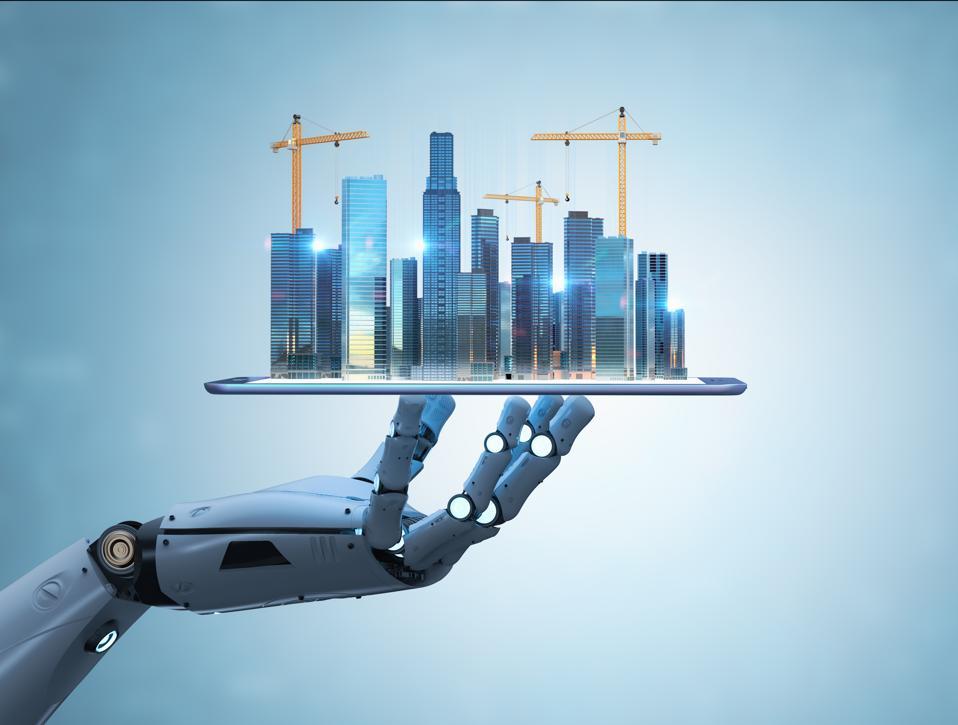
Artificial Intelligence (AI) is making significant strides across various industries, and the construction sector is no exception. As construction projects become more complex, AI technologies are being increasingly implemented to enhance productivity, streamline operations, and ensure better project outcomes. The integration of AI in construction is reshaping how projects are planned, executed, and maintained, driving a wave of innovation and improvements.
The Role of AI in Project Management
AI-powered project management tools have revolutionized the way construction projects are planned and monitored. These tools use predictive analytics to assess risks, optimize scheduling, and improve resource allocation. By analyzing historical data, AI systems can predict delays, cost overruns, and other challenges, allowing project managers to take proactive measures. This leads to more efficient timelines and improved decision-making processes, ensuring projects are completed on time and within budget.
Improving Safety with AI
One of the major concerns in the construction industry is worker safety. AI technologies, such as computer vision and machine learning, are being deployed to enhance safety protocols on job sites. AI can analyze real-time footage from surveillance cameras to detect potential hazards, ensuring that workers are alerted to risks such as unsafe behaviors, equipment malfunctions, or environmental dangers. Furthermore, AI can help with compliance by tracking safety data and generating reports to ensure that regulations are met.
Enhancing Construction Site Efficiency
AI-driven robotics and automation have made their way into the construction industry, particularly in tasks like bricklaying, welding, and material handling. These innovations are speeding up construction processes and improving precision. Drones, equipped with AI technology, are also being used for surveying and monitoring large construction sites, gathering accurate data that can be used for planning and progress tracking. This level of automation minimizes human error and maximizes efficiency.
AI in Design and Architecture
AI is also playing a pivotal role in the design phase of construction projects. Through generative design algorithms, AI systems can create optimized blueprints and structures based on specific parameters, such as environmental factors, materials, and costs. These systems enable architects and engineers to experiment with multiple design options, leading to more sustainable, cost-effective, and innovative structures. AI-powered tools like Building Information Modeling (BIM) are also enhancing collaboration among stakeholders and improving project visualization.
AI's Contribution to Sustainability
Sustainability is a growing priority in the construction industry, and AI is significantly contributing to this goal. AI systems are used to analyze energy usage patterns, optimize materials, and reduce waste. For instance, AI can help predict energy consumption for a building over its lifecycle and suggest design adjustments that reduce energy demand. Additionally, AI can monitor construction processes in real-time to minimize material waste and ensure more sustainable practices are followed.
The Future of AI in Construction
Looking ahead, the role of AI in construction will continue to expand. The continued development of AI technologies, including advancements in machine learning and robotics, will bring even more sophisticated tools to the industry. Construction companies are increasingly adopting AI solutions to remain competitive, reduce costs, and meet rising demand. As the technology matures, AI is expected to become an indispensable part of the construction ecosystem, with greater automation, enhanced decision-making, and more intelligent infrastructure.
Conclusion
AI in construction is not just a trend; it is the future. By integrating AI into every aspect of construction - from project management to safety and design - companies are seeing improvements in efficiency, cost-effectiveness, and sustainability. As AI technologies continue to evolve, their impact on the construction industry will only grow, revolutionizing how we build, design, and manage infrastructure.

 Russian
