
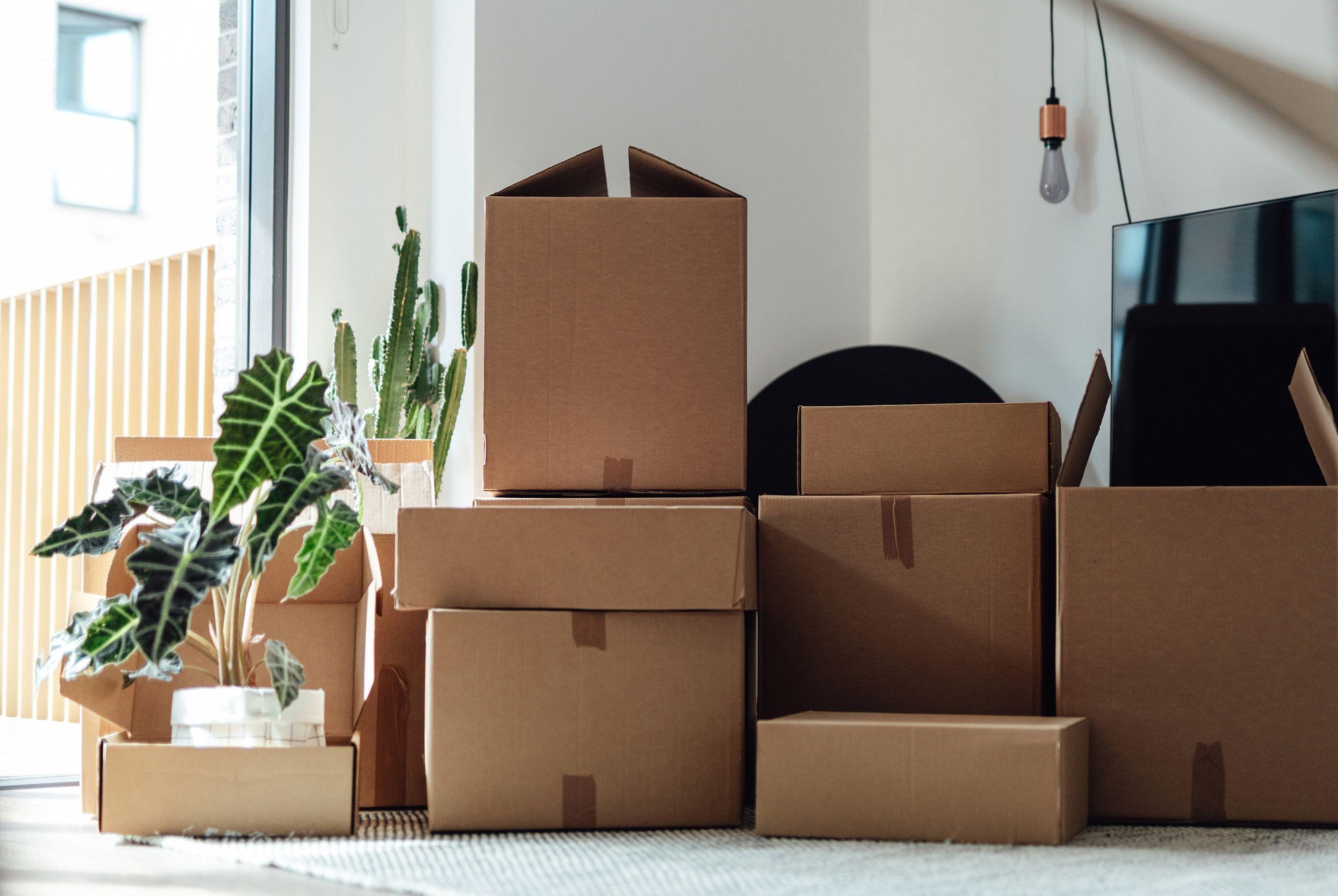
Cardboard Boxes play a vital role in modern packaging and logistics. Businesses across every industry rely on them to protect, store, transport, and present products. Because of their versatility, affordability, and eco-friendly nature, cardboard boxes continue to dominate the packaging market. Moreover, consumers increasingly prefer sustainable packaging, which further increases their demand.
In this detailed guide, you will learn everything about Cardboard Boxes, including their types, materials, manufacturing process, benefits, applications, and future trends. Additionally, you will discover how to choose the right box for your specific needs.
What Are Cardboard Boxes?
Cardboard Boxes are packaging containers made from paper-based materials, mainly corrugated fiberboard or paperboard. Manufacturers design these boxes to provide strength, durability, and lightweight performance. As a result, businesses use them extensively for shipping, storage, and retail packaging.
Furthermore, cardboard boxes come in various shapes, sizes, and thicknesses. This variety allows companies to package almost any product safely and efficiently.
Types of Cardboard Boxes
Different products require different packaging solutions. Therefore, manufacturers produce several types of cardboard boxes to meet diverse needs.
1. Corrugated Cardboard Boxes
Corrugated boxes consist of three layers: an outer liner, an inner liner, and a fluted middle layer. This structure adds strength and cushioning. Consequently, these boxes work perfectly for shipping heavy or fragile items.
Moreover, corrugated cardboard boxes resist impact, compression, and moisture better than standard paperboard boxes.
2. Folding Cartons
Folding cartons use paperboard and suit lightweight products. Manufacturers commonly use them for cosmetics, food, pharmaceuticals, and retail items. Additionally, these boxes offer excellent print quality, which enhances branding.
3. Rigid Boxes
Rigid cardboard boxes provide premium packaging solutions. Because they use thick paperboard, they maintain their shape and offer superior protection. Therefore, brands often use them for luxury products such as electronics, jewelry, and gift items.
4. Die-Cut Boxes
Die-cut boxes feature custom shapes and designs. Manufacturers create these boxes using cutting dies, which ensures precise dimensions. As a result, these boxes fit products perfectly and reduce the need for additional protective materials.
Materials Used in Cardboard Boxes
Manufacturers use several materials to create durable and functional cardboard boxes. Each material serves a specific purpose.
Kraft Paper
Kraft paper comes from wood pulp and offers excellent strength. It also provides a natural brown appearance, which many brands associate with eco-friendly packaging.
Test Liner
Test liner uses recycled paper fibers. Although it costs less than kraft paper, it still delivers adequate strength for many applications.
Fluting Medium
The fluted layer sits between liners and creates the box’s cushioning effect. Different flute sizes offer varying levels of thickness and strength.
How Cardboard Boxes Are Manufactured
Understanding the manufacturing process helps you appreciate the quality and reliability of cardboard boxes.
First, manufacturers pulp wood fibers or recycled paper. Next, they form paper sheets and dry them. After that, machines create the fluted medium and glue it between linerboards. Then, cutting and creasing machines shape the sheets into flat box blanks. Finally, manufacturers print, fold, and glue the boxes as needed.
Because manufacturers follow strict quality control procedures, they ensure consistent performance and durability.
Benefits of Cardboard Boxes
Cardboard Boxes offer numerous advantages, which explains their widespread use.
Eco-Friendly Packaging
Cardboard boxes use renewable resources and remain recyclable. Therefore, they support sustainability goals and reduce environmental impact.
Cost-Effective Solution
Manufacturers produce cardboard boxes at low cost. Consequently, businesses save money on packaging without sacrificing quality.
Lightweight Yet Strong
Cardboard boxes combine lightweight construction with impressive strength. This feature lowers shipping costs while protecting products.
Customizable Design
Brands can customize cardboard boxes with sizes, shapes, colors, and printing. As a result, they create unique packaging that enhances brand identity.
Easy Storage and Handling
Flat-packed cardboard boxes save storage space. Additionally, workers can assemble them quickly.
Common Uses of Cardboard Boxes
Cardboard Boxes serve countless purposes across industries. Let’s explore some major applications.
Shipping and Logistics
Shipping companies rely heavily on corrugated cardboard boxes. These boxes protect products during transit and reduce damage.
Retail Packaging
Retailers use cardboard boxes to display products attractively. Eye-catching designs encourage customers to make purchases.
Food Packaging
Food-safe cardboard boxes package bakery items, frozen foods, and takeout meals. These boxes maintain freshness and hygiene.
Electronics Packaging
Manufacturers use sturdy cardboard boxes with inserts to secure electronic devices. This packaging prevents movement and absorbs shock.
Moving and Storage
Individuals and businesses use cardboard boxes to move household items and store goods safely.
Custom Cardboard Boxes for Branding
Custom packaging plays a crucial role in marketing. When businesses use custom cardboard boxes, they strengthen their brand presence.
First, printed logos increase brand recognition. Next, consistent colors and designs reinforce brand identity. Moreover, high-quality packaging creates a positive unboxing experience. As a result, customers associate the brand with professionalism and reliability.
Additionally, custom packaging allows businesses to include product information, instructions, and promotional messages.
Choosing the Right Cardboard Boxes
Selecting the right cardboard boxes ensures product safety and cost efficiency.
Consider Product Weight
Heavier products require thicker corrugated cardboard boxes. Lighter items can use folding cartons.
Evaluate Box Strength
Check the Edge Crush Test (ECT) rating or Burst Strength rating. Higher ratings indicate stronger boxes.
Choose the Correct Size
Boxes should fit products snugly. Oversized boxes increase shipping costs and require more filler.
Think About Printing Needs
If branding matters, choose boxes that support high-quality printing.
Focus on Sustainability
Select recyclable and biodegradable cardboard boxes to meet environmental standards.
Cardboard Boxes vs. Other Packaging Materials
Businesses often compare cardboard boxes with plastic, metal, or wooden packaging. Cardboard boxes offer several advantages.
They cost less than metal and wood. They weigh less than plastic containers. Additionally, they decompose naturally and recycle easily. Therefore, cardboard boxes present a more sustainable choice.
However, businesses should consider product requirements before choosing packaging material.
Innovations in Cardboard Packaging
The packaging industry continues to evolve. Manufacturers now develop innovative cardboard boxes with advanced features.
Water-resistant coatings improve durability. Smart packaging integrates QR codes and tracking labels. Additionally, lightweight designs reduce material usage while maintaining strength.
Because of these innovations, cardboard boxes continue to meet modern packaging demands.
Role of Cardboard Boxes in E-Commerce
E-commerce relies heavily on cardboard boxes. Online retailers ship millions of packages daily. Therefore, they need reliable packaging that protects products and enhances customer experience.
Custom e-commerce packaging increases brand visibility. Additionally, easy-open designs improve customer satisfaction. As a result, cardboard boxes directly impact e-commerce success.
Sustainability and Recycling of Cardboard Boxes
Sustainability remains a top priority. Fortunately, cardboard boxes offer excellent recyclability.
Consumers can flatten and recycle boxes easily. Recycling reduces landfill waste and conserves resources. Moreover, manufacturers reuse recycled fibers to create new boxes.
Businesses can further improve sustainability by using minimal packaging and soy-based inks.
Storage Tips for Cardboard Boxes
Proper storage extends the life of cardboard boxes.
Store boxes in dry areas. Keep them away from moisture. Stack them neatly to prevent crushing. Additionally, avoid placing heavy items on lightweight boxes.
Following these tips ensures boxes remain usable.
Future of Cardboard Boxes
The future of cardboard boxes looks promising. As sustainability concerns grow, demand for eco-friendly packaging increases. Moreover, advancements in materials and design will enhance performance.
Businesses will continue to adopt cardboard packaging because it balances cost, durability, and environmental responsibility.
Final Thoughts
Cardboard Boxes remain an essential part of packaging across industries. They offer versatility, affordability, and sustainability. Additionally, they support branding and protect products effectively.
By understanding types, materials, uses, and benefits, businesses can choose the right cardboard boxes for their needs. Ultimately, investing in quality cardboard packaging leads to better product protection, stronger branding, and increased customer satisfaction.

 English
