
Diablo 4 represents a significant evolution for the long-running action RPG franchise, blending its signature dark fantasy tone with modern open-world design. Rather than confining players to segmented acts, Diablo 4 unfolds across a vast, interconnected Sanctuary filled with danger, opportunity, and constant movement. This shift creates a sense of scale that transforms exploration into a meaningful part of progression rather than a simple path between dungeons.
The atmosphere immediately sets the tone. Villages feel desperate, faith is fragile, and the wilderness is thick with corruption. Snow-covered mountains, desolate plains, and decaying ruins each tell silent stories of collapse. The visual style leans heavily into gothic horror, embracing shadow, blood, and ritualistic symbolism. This darker aesthetic reinforces the feeling that humanity stands on the brink of extinction.
Character development remains at the heart of the experience. Each class offers layered customization through an expansive skill tree and specialized mechanics. The Barbarian rotates between weapons fluidly, the Rogue balances ranged precision with close-quarters lethality, and the Sorcerer commands volatile elemental forces. The Druid and Necromancer introduce shape-shifting and summoning complexities that add strategic diversity. The system allows adjustments while still rewarding thoughtful planning, encouraging players to refine their builds as challenges intensify.
Combat in Diablo 4 emphasizes impact and positioning. Abilities feel weighty, enemy telegraphs demand attention, and boss encounters introduce multi-phase mechanics that test adaptability. Movement is crucial, especially during large-scale world events where coordination can determine success. The pacing blends chaotic mob clearing with tense, deliberate fights, ensuring variety throughout the journey.
Loot progression has also evolved. Legendary aspects can be extracted and imprinted onto gear, allowing greater build control without sacrificing the thrill of rare drops. Unique items provide transformative effects rather than incremental upgrades, reshaping how abilities function. Endgame systems such as Nightmare Dungeons and Helltide events push players to optimize equipment and strategy, sustaining engagement beyond the main campaign.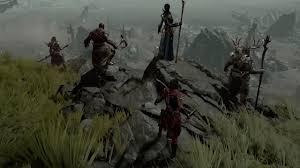
A defining feature of Diablo 4 is its shared-world structure. Players encounter others organically during exploration, forming temporary alliances to defeat world bosses or complete dynamic events. This system enhances immersion without overwhelming solo-focused gameplay. Optional PvP zones introduce tension for those seeking additional risk, expanding the range of player experiences.
Seasonal updates ensure the world continues to evolve. New mechanics, balance changes, and thematic storylines reshape strategies and encourage fresh character experimentation. This ongoing development keeps the meta dynamic while preserving the core identity of the franchise.
Diablo 4 Items bridges tradition and innovation. It honors the series’ legacy of dark atmosphere and relentless combat while embracing systems that expand scale and replayability. Through its immersive world, flexible builds, and evolving challenges, it establishes itself as a powerful chapter in Sanctuary’s endless war against the forces of Hell.

 Russian
