
POE 1, widely recognized as Path of Exile, stands as one of the most complex and enduring action RPGs ever developed. Created by Grinding Gear Games, it has built a dedicated player base by offering systems that reward deep understanding, careful planning, and constant experimentation. Rather than simplifying gameplay for accessibility, POE 1 embraces intricate mechanics, making it a game where mastery is earned through time and effort.
The journey begins in Wraeclast, a harsh and unforgiving land where players take on the role of exiles struggling to survive. The environment itself tells a story of decay, corruption, and forgotten civilizations. From desolate shores to dark caverns and ancient ruins, each area reinforces the oppressive atmosphere. There is little guidance offered, forcing players to learn through exploration and failure. This design creates a strong sense of immersion and personal progression.
One of the defining elements of POE 1 is its expansive passive skill tree. This massive network allows players to shape their characters in nearly limitless ways. Unlike traditional RPGs that restrict players to specific roles, the system encourages creativity and experimentation. Each class starts at a different position, but all share access to the same tree. This opens the door to countless build possibilities, but also requires careful planning, as poor decisions can significantly weaken a character.
The skill gem system further enhances customization. Abilities are not fixed but instead come from gems that can be socketed into equipment. These gems can be combined with support gems, altering how they function and interact. This allows players to create powerful and unique combinations, tailoring their playstyle to their preferences. The depth of this system ensures that no two characters feel exactly the same.
Endgame content is where POE 1 truly excels. After completing the main campaign, players enter a map-based system that offers endless challenges. Maps can be modified with various effects, increasing both difficulty and rewards. This creates a dynamic gameplay loop that constantly evolves. Seasonal leagues introduce new mechanics and content, keeping the experience fresh even for long-time players.
Loot plays a central role in maintaining engagement. Every item has potential value, and the crafting system allows players to modify equipment in detailed ways. Using various currencies, players can enhance or alter gear to better suit their builds. This creates a complex economy where items are traded and valued based on their rarity and usefulness.
Combat in POE 1 is fast, intense, and often unforgiving. Enemies can deal significant damage, and survival depends on positioning, resource management, and knowledge of mechanics. Players must constantly adapt to new challenges, making each encounter feel meaningful and rewarding.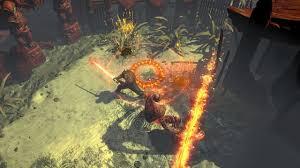
Path of Exile 3.28 Currency remains a standout title because of its commitment to depth and player freedom. It does not compromise its systems for simplicity, instead offering a rich and challenging experience. For those willing to invest the time, it provides an endlessly engaging journey filled with discovery, strategy, and mastery.

 English
