
POE 1 is widely regarded as one of the deepest and most complex action RPGs ever created. Set in the dark and unforgiving world of Wraeclast, it challenges players with brutal combat, intricate systems, and near-infinite character customization. Unlike more streamlined RPGs, POE 1 rewards patience, planning, and a willingness to learn its many interconnected mechanics over time.
At the core of POE 1 is its massive passive skill tree. This sprawling network of nodes allows players to shape their characters in highly specific and creative ways. Every choice influences a build’s direction, whether focusing on offense, defense, or utility. The sheer scale of the system means that even small decisions can have major long-term consequences, making character planning an essential part of the experience.
Another defining feature of POE 1 is its skill gem system. Instead of unlocking abilities through traditional leveling, players equip skill gems that grant active abilities. These gems can be linked with support gems, which modify how skills behave in combat. This creates a huge variety of possible combinations, allowing players to design unique builds tailored to their playstyle. The system encourages experimentation and rewards creativity.
Combat in POE 1 is fast, intense, and often punishing. Players must carefully manage positioning, resource usage, and enemy threats at all times. As progression continues, enemies become increasingly dangerous, requiring stronger gear and more optimized builds. Boss encounters are especially challenging, often demanding precise movement and a deep understanding of mechanics.
The loot system in POE 1 is another major pillar of its design. Instead of using traditional gold, the game relies on various currency items that function as both crafting materials and trade resources. This creates a player-driven economy where item value is determined by demand and utility. Crafting plays a significant role, allowing players to modify and enhance their equipment to suit specific builds and endgame goals.
Endgame content is where POE 1 truly excels. The mapping system provides endless replayability, with randomized layouts, modifiers, and scaling difficulty. Each map run feels unique, ensuring that players always face new challenges. Seasonal leagues introduce fresh mechanics and gameplay systems, keeping the experience dynamic and encouraging long-term engagement.
Multiplayer interaction is also an important part of POE 1. Players trade items, share build ideas, and cooperate in difficult content. The economy is entirely driven by player activity, making knowledge of item values and market trends a valuable skill.
Visually, POE 1 embraces a dark and gritty aesthetic that reflects the harsh world of Wraeclast. The environments are bleak, atmospheric, and filled with danger, reinforcing the game’s themes of survival and struggle.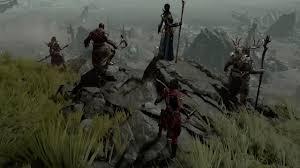
Path of Exile 3.28 Currency offers a level of depth and complexity that few games can match. Its intricate systems, challenging combat, and limitless customization ensure that it remains one of the most engaging and enduring action RPGs in gaming history.

 Russian
