
Introduction
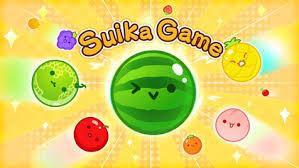
Puzzle games do not always need complicated rules, dramatic stories, or intense competition to be memorable. Sometimes, the most enjoyable games are built around one simple idea that becomes more interesting the longer you play. That is exactly the charm of Suika Game, a fruit-merging puzzle game where players drop different fruits into a container and try to combine matching ones into larger fruits.
At first glance, it looks light and casual. You drop a small fruit, it rolls a little, bumps into others, and maybe merges with a matching fruit. But after a few minutes, the game begins to feel like a mix of puzzle-solving, physics, timing, and planning. It is easy to understand, but not always easy to master, which is one reason many players keep coming back for “just one more try.”
If you enjoy relaxing games with a bit of challenge, watermelon-style puzzle games are worth experiencing. They are simple enough for a short break, yet strategic enough to keep your attention.
Gameplay
The basic goal is to merge fruits and create the biggest fruit possible. In Suika Game, fruits appear one at a time at the top of the screen. You choose where to drop each fruit into a box-like playing area. When two identical fruits touch, they combine into the next larger fruit. Small fruits become bigger fruits, and the final dream is usually to create a watermelon.
The challenge comes from limited space. As more fruits pile up, the container becomes crowded. If the fruits rise too high and cross the danger line near the top, the game ends. This creates a constant balance between short-term placement and long-term planning.
Unlike a traditional match puzzle where pieces stay in fixed squares, this type of game uses soft physics. Fruits roll, bounce, slide, and sometimes settle in unexpected ways. A good drop can start a chain reaction, while a careless one can block valuable space. This makes every round feel slightly different, even though the rules remain simple.
The experience is also very satisfying because progress is visible. You can see your small fruits slowly turning into larger ones. Each successful merge clears some space and gives a little sense of reward. When several fruits combine in a row, it feels especially pleasing, almost like tidying a messy room in one clever move.
Tips
A good first tip is to avoid dropping fruits randomly. Even though the game has a casual look, random placement usually creates awkward gaps. Try to group similar fruits near each other, especially smaller fruits that are likely to appear often. This gives them more chances to merge naturally.
It also helps to think about the shape of the pile. A flat or gently sloped surface is easier to control than a tall, uneven tower. If fruits stack too high on one side, future drops may roll unpredictably or become trapped. When possible, place larger fruits toward the lower corners or sides, where they are less likely to block smaller pieces.
Another useful habit is to plan for the next fruit, not just the current one. Most versions show the upcoming fruit, and that preview can make a big difference. If you know what is coming next, you can prepare a better spot instead of reacting too late.
Try not to panic when the box gets crowded. Many strong moves happen when the board looks messy. Look for pairs that are close but not touching, then use the next fruit to nudge or connect them. Sometimes a fruit dropped in the right place can shift the whole pile and create several merges.
However, be careful with large fruits. They are valuable, but they also take up a lot of room. If a big fruit gets stuck in the middle too early, it may divide the board and make merging harder. Keeping big fruits low and stable gives you more freedom above them.
Finally, accept that luck is part of the fun. The fruit order and physics can create surprising results. Instead of treating every failed round as a mistake, see it as practice. Over time, you will develop a better sense of spacing, timing, and risk.
Conclusion
Watermelon puzzle games are enjoyable because they turn a very simple action into a playful challenge. Dropping fruit into a box sounds almost too basic, but the combination of merging, gravity, and limited space creates a game that is relaxing and thoughtful at the same time.
Suika Game is a great example of this style. It does not demand fast reactions or complex controls, but it rewards patience, observation, and small strategic decisions. Whether you play for a few minutes during a break or spend longer chasing a higher score, the experience stays friendly and easy to return to.
In the end, the fun comes from watching order slowly emerge from chaos. One fruit becomes another, the pile shifts, a surprise merge happens, and suddenly you feel ready to try again. That quiet, satisfying loop is what makes the watermelon puzzle so charming.

 English
