
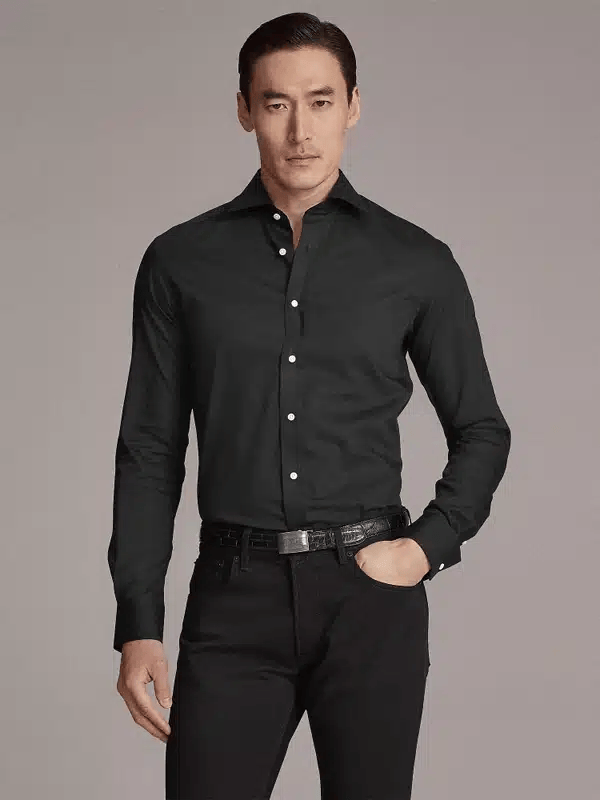
Nobody warns you about this when you get your first "real" job: the dress code is the confusing part, not the work itself.
I remember a client, a guy named Marcus, mid-twenties, first corporate gig out of college, showing up to our consultation, earnestly stressed about what " business casual " even meant. He'd googled it. He'd looked at Pinterest boards. He still had no idea if a polo counted or if he needed a blazer every single day. Turns out most men feel exactly like Marcus did. They just don't say it out loud.
Here's the honest truth after ten-plus years of dressing men for offices, client dinners, and everything in between: men's business casual wear doesn't have one fixed definition. It changes by office, by region, by industry, sometimes by the season. What doesn't change is the underlying goal — you want to look put-together without looking like you tried too hard, and without looking like you rolled out of bed.
That's what this guide is actually about. Not rules for rules' sake. Real, workable answers.
So What Counts as Business Casual, Really?
If you ask ten managers to define business casual, you'll probably get ten slightly different answers. That's not you failing to understand the concept, that's just how loosely the term gets used.
Broadly, though, business casual sits somewhere between a full suit and your weekend jeans. Collared shirts instead of t-shirts. Chinos or dress trousers instead of sweatpants. Closed-toe shoes instead of sandals. A blazer is optional in most places, though it never hurts.
I tend to describe it to clients as a dial, not a switch. Turn it up a little and you're wearing a sport coat with dress trousers. Turn it down and you're in a quality knit sweater with dark jeans. Same dress code, two very different outfits, and both can be correct depending on where you work.
Why Did Offices Loosen Up in the First Place?
Honestly? Tech companies get most of the credit here. Once it became clear that a guy in a nice sweater could still close a seven-figure deal, a lot of stuffier industries started relaxing too.
Remote work sped things up even further. Once people got used to video calls in half-decent shirts and pajama pants below the frame, going back to a full suit five days a week just felt unnecessary to a lot of companies.
Business Casual vs. Smart Casual | Not the Same Thing
This mix-up trips people up constantly, and honestly, I get it, the line is blurry.
Business casual leans a bit more conservative: collared shirts, tailored trousers, leather shoes, no denim in most offices. Smart casual gives you more rope, quality jeans, a nice sweater, even clean minimalist sneakers depending on the workplace culture.
My advice when you're unsure? Watch what the most senior person in your office wears on a normal Tuesday. Not the faniest day. A normal one. That'll tell you more than any online guide.
The Pieces Worth Actually Owning
You don't need a closet stuffed full of clothes to nail this. You need maybe twelve to fifteen solid pieces, chosen carefully, and, this part matters more than anything else, fitted to your actual body.
I'll say this bluntly because I've seen it wreck outfits for years: a $70 shirt that fits you correctly will beat a $300 shirt that doesn't, every single time. Price tags don't fix fit problems. Only fit fixes fit problems.
Shirts That Do the Heavy Lifting
Oxford button-downs, solid dress shirts, and lightly textured casual shirts are your workhorses. Cotton and cotton-blends breathe better through a long day than most synthetics, and they hold their shape after multiple washes.
Skip the extremes. Too slim and you'll be adjusting your collar all day. Too boxy and you'll look like you borrowed your dad's shirt. Somewhere in the middle, following the actual line of your shoulders and torso, is where you want to land.
Trousers That Actually Move With You
Flat-front chinos in navy, khaki, and charcoal will get you through most business casual days without a second thought. Wool-blend trousers step it up when you've got a client dinner or a more formal office to deal with.
I've watched grown men change how they carry themselves the moment their trousers actually fit at the waist instead of being cinched by a belt three inches too tight. It's not about vanity. It changes how you move, and honestly, how you feel standing in a room.
Layering: Blazers, Sweaters, and the Occasional Vest
A blazer that actually fits your shoulders is, hands down, the single most useful item in this whole category. Throw it over a plain shirt and you look like you put in effort, even on days you barely did.
Merino wool sweaters and quarter-zips earn their keep in the colder months, especially in offices where a blazer feels like overkill but a bare shirt feels underdressed.
Building This Wardrobe Without Blowing Your Budget
Here's something I tell every client, and some of them don't believe me at first: you don't need designer labels to look genuinely sharp. You need the right fabrics, the right fit, and a little consistency.
Is Custom-Made Clothing Actually Worth It?
I'll be straight with you here, because this question comes up in nearly every consultation I do.
Off-the-rack sizing assumes a "standard" body that barely exists in real life. Broader shoulders, a longer torso, shorter arms, a slimmer waist relative to your chest, any one of these throws off a standard-fit shirt, and most men have at least one of them going on.
Custom-made shirts and trousers sidestep that entire problem. Every measurement gets built around your body specifically, not an averaged mannequin size. That means the shoulder seam actually sits on your shoulder. The sleeves land at your wrist, not halfway up your forearm or bunched at the cuff. The waist doesn't gap or pull.
I had a client, heavyset through the chest, narrow through the waist, who spent years assuming he was just "hard to fit." First custom shirt he tried on, he stood in front of the mirror for a solid ten seconds before saying anything. That reaction is more common than you'd think.
If you're planning to wear a piece for years rather than one season, custom-made clothing tends to pay for itself. You're not replacing ill-fitting shirts every few months, you're buying something built to last and actually fit from day one.
What If Custom Tailoring Isn't in the Budget Yet?
A decent local tailor can work wonders on off-the-rack pieces for relatively little money. Hemming trousers, taking in the sides of a shirt, shortening sleeves, these small fixes solve most fit problems without a full custom order.
Spend your money where it shows up most: shirts and trousers. Save on the smaller stuff like belts and socks, where nobody's really scrutinizing quality anyway.
Mistakes I See Constantly (and How to Fix Them)
Buying Everything a Size Too Big
This is, without question, the number one issue I run into. Men size up out of habit, thinking bigger equals more comfortable. It usually just reads as sloppy instead of relaxed.
A shirt one size too large will look worse than one that's slightly snug in almost every case. When you're stuck between sizes, go smaller and let a tailor handle the rest.
Cutting Corners on Fabric
Thin, cheap fabric wrinkles within an hour and loses its shape after a handful of washes. Mid-weight cotton and wool blends cost more upfront but hold up for years, not weeks.
Treating "Casual" as Permission to Stop Trying
Some guys hear "business casual" and take it as a green light to phone it in. Wrong move. It's still a dress code, just a different one than a three-piece suit.
Questions Men Ask Me All the Time
Can You Wear Jeans to a Business Casual Office?
Depends entirely on the office. Dark, unripped, well-fitted jeans work fine in more relaxed workplaces, especially with a blazer or collared shirt on top. Stick to chinos or trousers if your office leans more traditional.
Are Sneakers Okay With Business Casual Outfits?
Minimalist leather sneakers in neutral colors can work in creative or tech-leaning offices. Chunky, bright, or clearly athletic sneakers usually don't, those read as too casual no matter how relaxed the dress code is.
Do I Need a Tie for Business Casual?
No. If your workplace expects a tie regularly, you're probably in business professional territory, not true business casual.
Dressing for the Season
Summer: Keep It Light
Cotton and linen-blend shirts breathe far better once temperatures climb. Lighter trousers in tan, light gray, or navy keep you presentable without turning you into a sweaty mess by lunch.
Winter: Layer Without Bulking Up
Merino wool sweaters, tweed blazers, and heavier trousers handle cold months without adding bulk to your silhouette. A good overcoat on top keeps you warm without looking like you're headed to a ski trip instead of a client meeting.
Wrapping This Up
Business casual isn't going anywhere, it's the default dress code for most modern offices at this point, whether people love it or not. Nailing it comes down to three things, honestly: fit, fabric, and showing up consistently dressed with intention.
Start small. A handful of well-fitted shirts, a couple pairs of trousers that actually sit right, one solid blazer. If off-the-rack clothing has never quite worked for your body, and for a lot of men, it genuinely hasn't, custom-made pieces are worth trying. They solve problems that no amount of expensive shopping ever will.
Dress like you mean it, and people notice, even if they couldn't tell you exactly why.
FAQ
What's the real difference between business casual and business professional? Business professional usually means a full suit and tie. Business casual drops the tie, often the jacket too, and allows for chinos and collared shirts instead.
What colors should form the base of a business casual wardrobe? Navy, charcoal, gray, and khaki mix and match easily. Add a color or two in shirts or sweaters so you're not head-to-toe monochrome every day.
Do I need a blazer for business casual? Not always, but it's worth owning one anyway. It turns a plain shirt-and-trouser combo into something client-meeting ready in seconds.
How many shirts do I actually need in rotation? Five to seven, in versatile colors, covers a full workweek comfortably without repeating too often.
Should I get my clothes tailored even if they're off-the-rack? Yes, almost always. Small adjustments, sleeve length, waist, shoulder seam, make a bigger visual difference than most men expect.
Is custom-made clothing actually worth it for everyday office wear? For most men, yes, particularly if off-the-rack shirts have never fit quite right around the shoulders or waist. Custom sizing solves those problems directly instead of covering them up.
Does business casual work for a bigger or more athletic build? Yes, though fit matters even more here. Standard sizing rarely accounts for broader shoulders or a longer torso accurately, which is exactly where custom or tailored pieces tend to shine.

 English
