
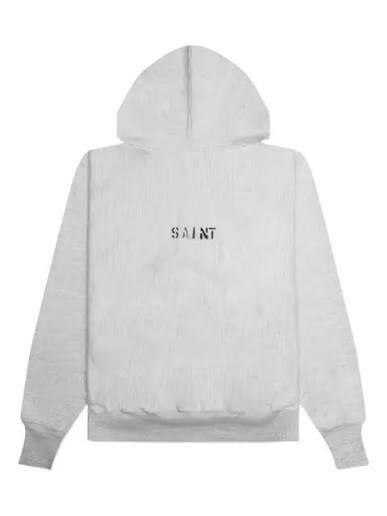
A Saint hoodie is a popular type of casual sweatshirt that can combine comfort with a distinctive visual style. Depending on the specific design, it may feature the word “Saint,” religious-inspired artwork, graphic prints, embroidered details, or branding associated with a particular fashion label. Hoodies in this category can range from simple everyday pieces to oversized streetwear garments designed to make a stronger statement.
Choosing the right Saint hoodie requires more than focusing on its graphic or logo. Fabric composition, garment weight, fit, stitching, hood construction, and print quality all affect how the hoodie feels and performs. Understanding these details helps shoppers select a piece that suits their wardrobe, climate, and intended use.
What Makes a Saint Hoodie Different?
The defining feature of a Saint hoodie is usually its visual identity rather than a particular standardized construction. Different manufacturers may use the term for very different products.
Some designs use minimalist typography, while others include large illustrations, religious symbols, vintage-inspired artwork, or distressed graphics. The hoodie itself may be lightweight, midweight, or heavyweight.
This variety means buyers should evaluate each garment individually. A premium-looking graphic does not necessarily indicate high-quality construction, and a simple design can sometimes be made from better materials.
Key Features to Check Before Buying
Fabric Composition
Fabric has a major influence on comfort, warmth, durability, and maintenance.
Cotton is widely used in sweatshirts because it has a soft feel and allows reasonable breathability. Polyester is often blended with cotton to improve durability, reduce shrinkage, and help the garment retain its shape.
French terry is generally lighter and has a looped interior, making it useful for mild weather and layering. Fleece has a brushed interior that provides additional softness and warmth.
Always check the fabric composition rather than judging quality from appearance alone.
Fabric Weight
The weight of a hoodie determines how substantial it feels.
Lightweight hoodies are useful for transitional weather, indoor wear, and layering under jackets. Midweight designs offer a balance between warmth and versatility. Heavyweight hoodies provide greater structure and insulation and are often associated with modern streetwear.
A heavyweight Saint hoodie may look particularly substantial when worn oversized, but it can also feel warmer and less flexible than a lighter alternative.
Hood Design
The hood should sit comfortably around the neck without creating excessive pressure. A well-constructed hood generally maintains its shape without constantly collapsing.
Drawstrings provide additional adjustment. They can be useful in cold or windy conditions because the wearer can tighten the opening when needed.
Cuffs and Hem
Ribbed cuffs help secure the sleeves around the wrists, while a ribbed hem can prevent the body of the hoodie from moving excessively.
Check that these areas recover their shape after stretching. Loose or weak ribbing can make an otherwise attractive hoodie look worn more quickly.
Graphic and Print Quality
For a graphic Saint hoodie, the artwork is an important part of the garment. Printing methods can include screen printing, digital printing, heat transfers, or embroidery.
Embroidery tends to create a textured appearance and can be highly durable when properly constructed. Printed graphics provide greater flexibility for detailed artwork but may eventually crack or fade if the garment is washed incorrectly.
Look closely at the edges of printed designs and the stitching around embroidered areas. Clean finishing is a useful indicator of manufacturing quality.
Finding the Right Fit
The best hoodie fit depends on personal preference and intended styling.
Regular Fit
A regular-fit hoodie provides room for movement without creating an oversized silhouette. It works well with jeans, chinos, joggers, and casual trousers.
This is usually the most flexible choice for someone who wants one hoodie that can work across different outfits.
Oversized Fit
Oversized hoodies are closely associated with contemporary streetwear. They typically feature dropped shoulders, wider sleeves, and additional body length.
An oversized Saint hoodie can be paired with relaxed trousers or cargo pants for a coordinated loose silhouette. Alternatively, wearing it with slimmer jeans creates contrast between the upper and lower portions of the outfit.
The important distinction is between intentionally oversized construction and simply buying a garment several sizes too large. A properly designed oversized hoodie should maintain balanced proportions.
Fitted Styles
A closer-fitting hoodie can be more convenient for layering beneath coats, denim jackets, and bomber jackets. It also creates a cleaner silhouette for people who prefer less volume.
How to Style a Saint Hoodie
A Saint hoodie can fit into several casual wardrobes with relatively little effort.
Everyday Casual Outfit
Pair a regular-fit hoodie with straight-leg jeans and sneakers. This combination keeps the outfit practical while allowing the hoodie to remain the main visual feature.
Neutral colors such as black, gray, cream, or navy are particularly easy to coordinate.
Streetwear Look
For a stronger streetwear appearance, choose an oversized hoodie with cargo trousers or relaxed denim. Chunky sneakers can complement the larger proportions.
If the hoodie already has a large graphic, keep other clothing relatively simple. This prevents the outfit from appearing visually crowded.
Layered Outfit
A hoodie can also function as a middle layer. Wear a less bulky version underneath a denim jacket, bomber jacket, or winter coat.
When layering, pay attention to sleeve length and shoulder width. Excess material underneath a fitted jacket can restrict movement and create unnecessary bulk.
Practical Benefits of a Saint Hoodie
Comfort
Sweatshirt fabrics are designed for casual comfort. Cotton-rich materials can feel soft against the skin, while fleece interiors provide additional warmth during cooler weather.
Versatility
One hoodie can work with denim, cargo pants, joggers, shorts, and casual trousers. Its versatility makes it useful for everyday wardrobes.
Easy Layering
A hoodie can be worn independently in mild conditions or beneath an outer layer when temperatures drop. Lightweight designs are particularly useful for this purpose.
Visual Identity
Graphic artwork gives a hoodie more personality than a plain sweatshirt. A well-designed Saint hoodie can become the focal point of a simple outfit.
Seasonal Use
The appropriate fabric weight allows hoodies to be worn across different seasons. Lightweight options suit spring and mild autumn weather, while fleece or heavyweight versions are better suited to colder conditions.
Common Challenges and Considerations
Sizing Can Vary
There is no universal hoodie sizing standard. A medium from one manufacturer may have very different chest, sleeve, and body measurements from another.
Always consult the individual size chart when possible. If you prefer an oversized appearance, check the actual garment measurements rather than automatically purchasing a larger size.
Shrinkage
Cotton can shrink when exposed to excessive heat. This is particularly important with hoodies because changes in body length or sleeve length can alter the intended fit.
Following the care label and avoiding unnecessary high heat can help preserve the garment's dimensions.
Print Fading
Graphic designs may fade, crack, or peel after repeated washing. The risk depends on the printing method, fabric, detergent, temperature, and drying process.
Turning a printed hoodie inside out before washing can reduce direct friction against the artwork.
Heavyweight Materials Can Feel Warm
A heavyweight hoodie may be excellent for cold weather but uncomfortable in warmer conditions. Consider your local climate and whether you plan to wear the hoodie indoors or outdoors.
Care Tips for Longer Wear
Proper maintenance can significantly affect the lifespan of a hoodie.
Follow the manufacturer's washing instructions and use the recommended temperature. Avoid unnecessary heat when drying, particularly when the garment contains cotton or elastic components.
For printed designs, washing the hoodie inside out can help protect the graphic. Avoid harsh treatments unless the care label specifically permits them.
When storing a hoodie, folding it can help prevent unnecessary stretching around the shoulders and cuffs. If you hang it, use a suitable hanger that supports its weight without distorting the fabric.
Key Buying Insights
Before purchasing a Saint hoodie, establish what matters most to you.
If comfort is the priority, examine fabric composition and interior texture. If warmth is important, focus on fabric weight and fleece construction. For layering, choose a less bulky design.
If the artwork is the main attraction, inspect the quality of the print or embroidery. Look for clean edges, consistent stitching, and a graphic that is properly positioned.
Price should be evaluated alongside construction rather than used as the only measure of quality. A more expensive hoodie is not automatically better. Material composition, workmanship, finishing, fit, and care requirements provide more useful information.
When purchasing a branded or limited-release hoodie, buying from an established retailer or authorized seller can also reduce the risk of receiving counterfeit merchandise.
Frequently Asked Questions
1. What is a Saint hoodie?
A Saint hoodie is a hooded sweatshirt identified by Saint-related wording, artwork, religious-inspired graphics, or specific branding. Its materials, fit, and design can vary significantly between products.
2. How should a Saint hoodie fit?
It should provide enough room for comfortable movement without unwanted pulling. Choose a regular fit for versatility, an oversized design for a relaxed streetwear appearance, or a slimmer fit for easier layering.
3. What pants go well with a Saint hoodie?
Jeans, cargo trousers, joggers, chinos, and relaxed trousers can all work. The best option depends on the hoodie’s fit and the overall style you want to create.
4. Can a Saint hoodie be worn in warm weather?
Yes, if the fabric is lightweight and breathable. Lightweight French terry or cotton-blend designs are generally more suitable for mild temperatures than heavyweight fleece.
5. How can you prevent a graphic hoodie from fading?
Follow the care label, avoid unnecessary high heat, and consider washing the garment inside out. These steps can reduce friction and heat exposure that may contribute to graphic wear.
Conclusion
A Saint hoodie can provide a practical combination of comfort, warmth, and distinctive design. However, the best choice depends on details such as fabric composition, weight, fit, hood construction, and graphic quality.
For everyday wear, a regular-fit midweight hoodie offers flexibility. An oversized heavyweight design can create a stronger streetwear silhouette, while a lightweight option is more useful for layering and mild weather.
By checking measurements, understanding fabric characteristics, inspecting construction, and following proper care instructions, shoppers can choose a Saint hoodie that looks good and remains useful well beyond the initial purchase.

 Russian
